Category: Car Accident Lawyer

Get expert information on car accident claims, insurance settlements, legal representation, and maximizing compensation.

  • Uninsured Driver Hit Your Business Vehicle: What to Do

    Uninsured Driver Hit Your Business Vehicle: What to Do

    When an Uninsured Driver Crashes Into Your Business Vehicle

    Imagine your delivery driver is stopped at a red light when an uninsured motorist rear-ends the company van. The at-fault driver has no insurance, no significant assets, and no way to pay for damages. Your driver is injured, the van is totaled, and your business grinds to a halt — all because someone else broke the law.

    This scenario is far more common than most business owners realize. According to the Insurance Research Council, roughly 1 in 8 drivers on U.S. roads is uninsured — and in some states like Mississippi and Michigan, that rate climbs above 20%. When your business vehicle is involved in one of these accidents, the financial fallout can be devastating without the right legal and insurance strategy in place.

    In this guide, you’ll learn exactly what happens when an uninsured driver hits your business vehicle, what a car accident lawyer can do to protect your company, how to pursue every legal avenue available, and what insurance coverage you should already have in place. Whether you operate a fleet of five or fifty vehicles, this information could save your business thousands of dollars — and potentially keep you out of bankruptcy court.

    How Uninsured Driver Accidents Affect Small Businesses

    When an individual gets hit by an uninsured driver, it’s stressful. When a business vehicle is hit, the stakes multiply immediately. You’re dealing with vehicle repair or replacement costs, lost business income during downtime, potential employee medical bills, workers’ compensation claims, and possible client contract breaches caused by service interruptions.

    The Federal Motor Carrier Safety Administration (FMCSA) reports that commercial vehicle accidents cost U.S. businesses an average of $148,000 per crash — and that number can exceed $500,000 when serious injuries are involved. Even a minor fender-bender involving your company vehicle can generate repair bills of $8,000 to $15,000 for modern commercial vans or trucks.

    Here’s what makes uninsured driver accidents uniquely damaging for businesses:

    • No direct recovery from the at-fault party: If the driver has no insurance and no assets, suing them often yields nothing — a judgment you can’t collect is just a piece of paper.
    • Workers’ comp complexity: If your employee is injured, workers’ comp kicks in, but it doesn’t cover vehicle damage or lost business income.
    • Business interruption: A company vehicle out of commission means delayed deliveries, missed client appointments, and potential contract penalties.
    • Subrogation battles: Even if your insurer pays, they may pursue the at-fault driver — a process that takes months and may ultimately recover nothing.

    A car accident lawyer who specializes in commercial vehicle claims understands all of these moving parts and can build a strategy that maximizes your business’s financial recovery from day one.

    What a Car Accident Lawyer Does After an Uninsured Driver Accident

    Many business owners assume that if the at-fault driver has no insurance, there’s nothing a lawyer can do. That’s one of the most expensive misconceptions in business liability law. An experienced car accident attorney will pursue every available source of compensation — many of which business owners never consider on their own.

    1. Identifying All Potentially Liable Parties

    The uninsured driver may not be the only party responsible. A skilled attorney will investigate whether:

    • A third party (employer, vehicle owner, or leasing company) bears liability for the at-fault driver’s actions
    • A government entity is responsible for road hazards or poor signage that contributed to the crash
    • A vehicle manufacturer bears product liability for defective parts that worsened the accident
    • Another insured driver shares partial fault under your state’s comparative negligence laws

    2. Filing Uninsured Motorist (UM) Claims Correctly

    Uninsured motorist coverage — which you should have on every commercial policy — is your primary financial lifeline in these cases. However, UM claims have strict filing deadlines and documentation requirements. A car accident lawyer ensures your claim is filed correctly, documented thoroughly, and not undervalued by your own insurer’s adjusters.

    3. Handling Your Insurer’s Subrogation Rights

    If your insurer pays your claim, they gain the right to sue the at-fault driver on your behalf. Your attorney can coordinate with your insurer’s subrogation team to ensure this process doesn’t interfere with your own recovery — and in some cases, can recover additional funds beyond what your policy alone covers.

    4. Negotiating Business Loss Documentation

    Lost revenue, replacement vehicle costs, client contract penalties, and employee overtime costs are all potentially recoverable damages. Your attorney knows how to document and present these figures in a format that insurers and courts recognize as legitimate business losses.

    For a deeper look at how attorneys protect businesses in commercial vehicle crashes, see our guide on Vendor Car Accidents: How a Lawyer Protects Your Business.

    Insurance Coverage Your Business Must Have Before an Accident Happens

    The single most important thing you can do to protect your business from uninsured driver accidents is to have the right insurance in place before the crash occurs. According to the CFPB, many small business owners discover fatal gaps in their commercial auto coverage only after a claim is filed — by which point it’s too late.

    Uninsured/Underinsured Motorist (UM/UIM) Coverage

    This is your most critical protection. UM/UIM coverage pays for damages your business suffers when the at-fault driver has no insurance or insufficient insurance. For commercial policies, coverage limits typically range from $100,000 to $1 million per occurrence. In most states, insurers are required to offer UM/UIM coverage, though businesses can sometimes waive it in writing — a decision that can be catastrophic.

    Action step: Review your commercial auto policy today. Confirm UM/UIM is included, understand your limits, and consider whether your coverage matches your actual vehicle replacement costs and revenue exposure.

    Commercial Auto Insurance with Collision Coverage

    Collision coverage pays for your vehicle damage regardless of who is at fault. Without it, an uninsured driver accident leaves you paying out of pocket for vehicle repairs or replacement. Premiums vary widely by state, vehicle type, and driving history, but Bankrate data suggests commercial vehicle collision coverage averages between $800 and $2,400 per vehicle annually for small businesses.

    Business Interruption Insurance

    If your vehicle is out of commission for weeks, business interruption insurance covers lost income and ongoing expenses during the downtime period. This is separate from your commercial auto policy and often underutilized by small business owners. See our full breakdown of Commercial Auto Insurance: A Complete Guide for Small Businesses for coverage details.

    Commercial Umbrella Insurance

    For high-value fleets or businesses with significant revenue exposure, a commercial umbrella policy provides an additional layer of liability and loss protection beyond your base policy limits. Coverage typically starts at $1 million and is generally more affordable than business owners expect — often $800 to $1,500 annually for the first $1 million in additional coverage.

    Step-by-Step: What to Do Immediately After an Uninsured Driver Hits Your Vehicle

    The actions taken in the first 48 hours after a commercial vehicle accident significantly impact your legal and financial recovery. Here’s the exact process your business should follow:

    1. Secure the scene and ensure employee safety: Your driver should call 911 immediately. Medical documentation of any injuries begins here — and workers’ compensation claims require documented medical treatment from day one.
    2. Get a police report: A police report is essential for both your insurance claim and any legal action. The report will document the at-fault driver’s lack of insurance — a critical piece of your UM claim.
    3. Collect all available information: Photograph the scene, all vehicles, license plates, road conditions, and any visible injuries. Get witness names and contact information.
    4. Notify your insurer within 24 hours: Commercial auto policies typically have strict notification requirements. Delayed reporting can complicate or even void your claim.
    5. Document all business losses immediately: Start tracking lost revenue, replacement vehicle rental costs, employee overtime, and any client penalties or missed contracts resulting from the accident.
    6. Consult a car accident lawyer before giving recorded statements: Insurance adjusters — even from your own insurer — may ask for recorded statements that could limit your recovery. An attorney can guide you on what to say and what to protect.
    7. Preserve all evidence: Do not authorize vehicle repairs until your attorney or insurer has documented the damage. Preserve dashcam footage, GPS records, and vehicle maintenance logs.

    Costs, Fees, and Realistic Recovery Timelines

    Understanding the financial mechanics of pursuing an uninsured driver claim helps you set realistic expectations and plan your business cash flow accordingly.

    Attorney Fees

    Most car accident lawyers who handle commercial vehicle claims work on a contingency fee basis — meaning they collect a percentage of your recovery rather than charging upfront. Contingency fees typically range from 25% to 40% of the total settlement, depending on case complexity and whether litigation is required. For a $150,000 recovery, that means $37,500 to $60,000 in attorney fees.

    While that sounds significant, consider that studies from the Insurance Research Council consistently show that claimants represented by attorneys recover settlements 3.5 times higher on average than unrepresented claimants — even after attorney fees are deducted.

    Timeline Expectations

    • UM insurance claims: Typically resolved in 3 to 9 months for straightforward commercial claims
    • Litigation against the at-fault driver: 12 to 36 months, with potential collection difficulties even after judgment
    • Workers’ comp claims for injured employees: Ongoing, parallel process managed separately

    Tax Implications

    Business loss recoveries are generally taxable income. However, recoveries for property damage (vehicle replacement) may be treated differently than recoveries for lost profits. Consult a CPA to understand how settlement proceeds impact your business tax liability in the year received.

    Common Mistakes Business Owners Make After Uninsured Driver Accidents

    These are the errors that consistently cost business owners thousands of dollars — sometimes the entire value of their claim.

    Mistake 1: Assuming There’s Nothing to Recover

    Many business owners hear "uninsured driver" and give up on recovery entirely. In reality, your UM/UIM coverage, collision coverage, business interruption policy, and potential third-party liability claims may provide full or near-full compensation. Never assume before consulting an attorney.

    Mistake 2: Giving a Recorded Statement Without Legal Counsel

    Your own insurer’s adjuster may request a recorded statement shortly after the accident. While this seems routine, statements made without legal guidance can inadvertently limit your recovery or be used to dispute aspects of your claim. Always speak with a car accident lawyer first.

    Mistake 3: Failing to Document Business Losses Properly

    Lost revenue claims require contemporaneous documentation — meaning records created at the time of the loss, not reconstructed weeks later. Without proper bookkeeping records, client contracts, and revenue projections, business loss claims are routinely denied or undervalued by insurers.

    Mistake 4: Settling Too Quickly

    Insurers often present initial settlement offers within days of a claim. These offers are almost always lower than what a fully documented claim is worth. Accepting a quick settlement typically waives your right to future claims related to the same accident — including injury complications that emerge weeks later.

    Mistake 5: Not Having UM/UIM Coverage

    Some business owners waive uninsured motorist coverage to reduce premiums. According to the Insurance Information Institute, this is one of the most financially dangerous decisions a commercial vehicle operator can make — and it’s almost impossible to undo after an accident occurs.

    Alternatives and Complementary Legal Strategies to Consider

    Depending on your situation, a car accident lawyer may recommend one or more of these complementary approaches alongside your primary insurance claim.

    Civil Judgment Against the At-Fault Driver

    Pros: Establishes legal liability; judgment may be collectible if driver’s financial situation improves; can be renewed in most states.
    Cons: Expensive and time-consuming to litigate; collection from judgment-proof individuals is often impossible in the short term.
    Best for: Situations where the at-fault driver owns property, has a regular income, or may inherit assets in the near future.

    Third-Party Employer Liability Claims

    Pros: If the uninsured driver was operating in the scope of employment, their employer may bear full vicarious liability — and likely has insurance.
    Cons: Requires proving employment and scope of duty, which can be contested.
    Best for: Accidents involving delivery drivers, rideshare contractors, or workers who appear to be on the job during the crash.

    State Uninsured Motorist Funds

    Several states operate uninsured motorist guarantee funds or similar programs that provide limited compensation to accident victims when the at-fault driver has no insurance. Coverage limits are typically low ($10,000 to $30,000), but these funds can supplement other recovery sources. Your attorney will know whether your state offers this option.

    For related legal protection strategies, see our guide on Customer Car Accident on Business Property: Legal Guide.

    Frequently Asked Questions

    Can my business sue an uninsured driver who caused the accident?

    Yes, you can file a civil lawsuit against an uninsured at-fault driver. However, winning a judgment and actually collecting money are two different things. If the driver has no significant assets or income, collecting on the judgment may be difficult or impossible in the near term. Your attorney will assess whether litigation is worth pursuing based on the driver’s financial profile.

    Does workers’ compensation cover my employee’s injuries from the accident?

    Generally speaking, yes — workers’ compensation covers medical expenses and a portion of lost wages for employees injured on the job, including during work-related driving. However, workers’ comp does not cover vehicle damage, business income losses, or other commercial damages. These require separate insurance claims or legal action.

    How long does my business have to file an uninsured motorist claim?

    UM claim deadlines vary by state and by your specific policy terms. In most states, the statute of limitations for commercial auto claims ranges from 2 to 4 years from the date of the accident. However, your policy may require you to notify your insurer within 30 to 90 days of the accident. Missing these internal deadlines can void your coverage entirely.

    What if the at-fault driver was driving someone else’s uninsured vehicle?

    In most states, auto insurance follows the vehicle, not the driver. If the vehicle itself is uninsured, you would still file a UM claim with your own insurer. However, the vehicle’s owner may bear independent liability — especially if they knew the driver was unlicensed or uninsured and loaned the vehicle anyway. A car accident lawyer will investigate ownership and lending circumstances carefully.

    Will filing a UM claim raise my commercial auto insurance premiums?

    In most cases, filing a UM claim when you are not at fault should not directly increase your premiums. However, some insurers do consider claim history when renewing policies, regardless of fault. Discuss this with your insurance broker before filing, and consider whether small claims are worth the potential long-term premium impact.

    Key Takeaways: Protecting Your Business Before and After an Uninsured Driver Accident

    An uninsured driver accident involving your business vehicle is a financial emergency — but it doesn’t have to be a catastrophe. The businesses that recover quickly and completely are those that had the right insurance in place, documented their losses carefully, and retained an experienced car accident lawyer before making any decisions.

    Start by auditing your commercial auto policy this week. Confirm that UM/UIM coverage is active and adequately funded for your actual vehicle values and revenue exposure. If you’ve already experienced an accident, don’t wait — consult a car accident attorney before accepting any settlement offer or giving recorded statements to adjusters.

    The legal and financial landscape after a commercial vehicle accident is complicated. Having an expert in your corner — one who specializes in business vehicle claims — is not a luxury. For businesses operating vehicles regularly, it’s a necessity. Consider also reviewing your Commercial Auto Insurance coverage to ensure your business is fully protected going forward.

    This article is for educational purposes only and does not constitute financial, tax, or investment advice. Always consult a licensed financial advisor, CPA, or attorney before making financial decisions.

  • Vendor Car Accidents: How a Lawyer Protects Your Business

    Vendor Car Accidents: How a Lawyer Protects Your Business

    One lawsuit from a vendor’s traffic accident can cost your business $250,000 or more — here’s how a car accident lawyer keeps that from happening to you.

    When a Vendor’s Car Accident Becomes Your Business’s Legal Problem

    Imagine this: A vendor driving to your warehouse for a scheduled delivery rear-ends another vehicle on the highway. The injured driver’s attorney discovers your business contract required the vendor to use your company logo on the van. Suddenly, your phone is ringing — and it’s not the vendor calling to apologize. It’s a process server.

    This scenario plays out thousands of times every year across the United States. According to the National Safety Council, motor vehicle crashes cost U.S. employers over $72 billion annually — and a significant portion of that liability flows upstream to the businesses that hired the drivers involved.

    If your company works with vendors, independent contractors, delivery partners, or service providers who operate vehicles, you have legal exposure you may not even know exists. In this guide, you’ll learn exactly how vendor and contractor car accidents can trigger business liability, what a car accident lawyer does to protect your company, and what steps you must take right now — before an accident happens.

    This article is for educational purposes only and does not constitute legal or financial advice. Consult a licensed attorney for guidance specific to your situation.

    What Is Third-Party Vendor Liability in Car Accident Cases?

    Third-party vendor liability is the legal concept that holds your business responsible for harm caused by someone you hired — even if that person isn’t technically your employee. It’s rooted in two foundational legal doctrines: respondeat superior and negligent entrustment.

    Respondeat superior (Latin for "let the master answer") means an employer can be held liable for the actions of workers acting within the scope of their duties. Courts have increasingly extended this doctrine to include contractors who operate under significant business direction and control.

    Negligent entrustment means your business could face liability if you allowed someone to use a vehicle — or retained a vendor — knowing (or reasonably should have known) that person posed a driving risk.

    According to the Insurance Information Institute, commercial auto liability claims average between $20,000 and $70,000 per accident — and severe injury cases routinely exceed $500,000 when businesses are named defendants. The moment a plaintiff’s attorney discovers a business relationship between the injured party and an at-fault driver, your company becomes a target.

    This applies broadly to:

    • Vendors making deliveries to or from your business location
    • Independent contractors driving to client sites on your behalf
    • Service providers (cleaners, IT professionals, consultants) traveling for your business
    • Subcontractors hired by your primary contractor

    Key Legal Risks Vendor Car Accidents Create for Your Business

    The Federal Motor Carrier Safety Administration reports that large commercial vehicles and contractor-operated vehicles are involved in roughly 450,000 accidents per year on U.S. roads. For small and mid-sized business owners, the legal fallout from even one of those accidents can be devastating.

    Here are the primary liability risks your business faces:

    1. Direct Negligence Claims

    Plaintiffs can sue your business directly, arguing you failed to vet the vendor’s safety record, failed to require adequate insurance, or failed to establish safe operating standards in your contract.

    2. Vicarious Liability

    If a court determines your vendor was functioning more like an employee — following your schedule, using your branding, operating under your direction — a judge or jury may hold you vicariously liable for the accident, regardless of what your contract says.

    3. Joint and Several Liability

    In many states, when multiple defendants share fault, each can be held responsible for the full judgment amount. That means if your vendor carries inadequate insurance, the injured party’s attorney may pursue your business for the remainder.

    4. Brand and Reputational Damage

    Beyond legal costs, a high-profile lawsuit tied to a vendor’s accident can damage customer trust, strain banking relationships, and complicate future vendor negotiations.

    A car accident lawyer who specializes in business liability can identify these exposure points early — and build a legal defense strategy before a claim spirals into a judgment against your company.

    How a Car Accident Lawyer Protects Your Business: Step-by-Step

    Most business owners don’t think about car accident lawyers until a lawsuit lands on their desk. That’s the wrong approach. A skilled attorney adds value at every stage of the process — from pre-accident contract drafting to post-litigation settlement.

    1. Pre-Contract Risk Assessment
      An attorney reviews your vendor agreements to identify language that could create implied employment relationships or expose your business to vicarious liability. They’ll recommend contract clauses that clearly establish independent contractor status and limit your legal exposure.
    2. Insurance Verification Requirements
      Your lawyer can help you establish a vendor credentialing process that requires vendors to carry minimum commercial auto liability limits — typically $1 million per occurrence for high-risk deliveries — and name your business as an additional insured on their policy.
    3. Incident Response Protocol
      When an accident happens, the first 48 hours are critical. A car accident lawyer helps you respond correctly: preserving records, notifying your insurer, avoiding statements that could be used against you, and assessing whether your business has any actual exposure.
    4. Early Investigation and Evidence Gathering
      Your attorney coordinates an independent investigation — gathering police reports, dashcam footage, driver history records, and accident reconstruction data — to build a factual record that supports your defense.
    5. Defense Strategy and Litigation
      If a lawsuit is filed, your lawyer mounts a legal defense that challenges the plaintiff’s theory of liability, establishes the vendor’s true independent contractor status, and negotiates the most favorable settlement or verdict possible.
    6. Post-Claim Risk Mitigation
      After a claim resolves, a good business attorney conducts a liability audit to close the gaps that created the exposure in the first place — updating contracts, insurance requirements, and vendor onboarding procedures.

    If your business regularly relies on vendors who drive, consider consulting with both a car accident lawyer and a commercial auto insurance broker. For context on what commercial auto coverage should look like for businesses like yours, see our guide to Commercial Auto Insurance for Small Businesses.

    Costs, Fees, and What Legal Defense Actually Runs

    Understanding legal costs upfront helps you make smarter decisions before a crisis hits.

    Attorney hourly rates for commercial litigation typically range from $250 to $600 per hour depending on experience level and geography. Complex cases involving multiple defendants, serious injuries, or wrongful death can generate legal bills exceeding $100,000 before a case resolves.

    Settlement ranges vary dramatically by injury severity:

    • Minor injuries: $15,000 – $75,000
    • Moderate injuries (fractures, whiplash): $75,000 – $250,000
    • Serious or permanent injuries: $500,000 – $5 million+
    • Wrongful death: $1 million – $10 million+

    Your commercial general liability (CGL) or umbrella policy may cover defense costs if your business is named in a vendor-related accident lawsuit — but only if the policy was written correctly and the incident falls within its coverage terms. Many business owners discover coverage gaps only after a claim is denied.

    Proactive legal consultation typically costs $500 to $2,500 for a contract and vendor agreement review — a fraction of what reactive litigation costs. That investment is one of the highest-ROI risk management moves a small business owner can make.

    You may also want to review your broader liability exposure. Our article on Customer Car Accidents on Business Property covers related risks that often occur in parallel.

    Common Mistakes Business Owners Make That Increase Liability

    Most businesses don’t lose vendor accident lawsuits because the facts are against them. They lose because of avoidable mistakes made before and immediately after the accident.

    Mistake #1: Assuming "Independent Contractor" Language in a Contract Is Enough
    Courts look at the economic reality of the relationship — not just what a contract says. If you control when, where, and how a vendor works, a judge may classify them as an employee regardless of the agreement. Your lawyer needs to structure the relationship properly from the start, not just label it correctly.

    Mistake #2: Failing to Verify Vendor Insurance Before Each Project
    A vendor may have had a $1 million commercial auto policy when you first hired them — and let it lapse six months later. Without a system for annual (or per-project) certificate of insurance verification, you may unknowingly contract with uninsured drivers. If they cause an accident, your business absorbs the financial impact.

    Mistake #3: Making Statements to the Injured Party or Their Attorney
    After an accident involving your vendor, you may feel the urge to call the injured party to express concern or clarify your company’s role. This is a serious mistake. Anything you say can be used to establish agency, acknowledgment of fault, or willingness to pay. Let your attorney handle all communications immediately.

    Mistake #4: Not Maintaining Vendor Driving Records
    If a lawsuit alleges negligent hiring or retention, your defense depends on proving you performed due diligence. Businesses that can’t produce vendor screening records — MVR checks, safety certifications, insurance histories — face significantly worse legal outcomes.

    Mistake #5: Relying Solely on the Vendor’s Insurance
    Even if a vendor carries adequate coverage, their insurer’s primary obligation is to the vendor — not to your business. Without being listed as an additional insured or carrying your own commercial umbrella policy, you may be exposed to gaps the vendor’s policy won’t cover.

    Alternatives to Consider: Other Ways to Manage Vendor Accident Risk

    A car accident lawyer is one tool in your risk management toolkit. Here are three complementary strategies worth considering:

    1. Commercial Umbrella Insurance
    Pros: Provides excess liability coverage above your standard CGL and auto policies — typically $1 million to $10 million in additional protection. Relatively low cost (often $1,000–$3,000 annually for $1M in coverage).
    Cons: Doesn’t replace a legal defense strategy; only activates after underlying limits are exhausted.

    2. Vendor Management Software with Compliance Tracking
    Pros: Automates certificate of insurance collection, monitors policy expiration dates, and flags non-compliant vendors before they become a liability.
    Cons: Requires upfront investment ($200–$500/month for robust platforms) and staff training. Doesn’t provide legal advice or contractual protection.

    3. Written Indemnification and Hold Harmless Agreements
    Pros: Legally shifts liability back to the vendor if they cause an accident, requiring them to defend and indemnify your business.
    Cons: Only enforceable if properly drafted and if the vendor has adequate resources or insurance to actually indemnify you. An attorney must draft these clauses correctly — generic templates often don’t hold up in court.

    For businesses managing multiple contractor relationships, understanding your full legal structure matters too. Our Company Vehicle Accident guide explains how legal liability differs when employees versus contractors are behind the wheel.

    Frequently Asked Questions

    Q: Can my business be sued if an independent contractor causes a car accident?
    Yes. Courts apply a "control test" to determine whether a contractor was functioning more like an employee. If your business directed the contractor’s schedule, methods, or equipment, you may face vicarious liability even without a formal employment relationship.

    Q: What insurance should I require vendors to carry?
    Generally speaking, most business attorneys recommend requiring vendors to carry at minimum $1 million per occurrence in commercial auto liability coverage, name your business as an additional insured, and provide a certificate of insurance before any engagement begins. Higher-risk operations may warrant $2 million or more.

    Q: How quickly should I contact a lawyer after a vendor accident?
    Immediately. Within 24-48 hours if possible. Evidence preservation deadlines, notice requirements under your insurance policy, and statutes of limitations can all be affected by delays. Early involvement by an attorney dramatically improves legal outcomes.

    Q: Does my commercial general liability policy cover vendor car accidents?
    Not automatically. CGL policies typically exclude auto-related incidents, which is why commercial auto coverage and umbrella policies are separate. Whether your business has coverage depends on your specific policy language — review this with your broker and attorney together.

    Q: What is the statute of limitations for suing a business after a car accident?
    It varies by state. Most states allow 2-3 years from the date of the accident for personal injury claims. However, claims involving government entities or specific injury types may have shorter deadlines. A car accident lawyer in your state can advise on applicable timelines.

    Conclusion: Don’t Wait for a Lawsuit to Take Vendor Liability Seriously

    Vendor and contractor car accidents are one of the most underestimated legal risks facing small and mid-sized businesses in the U.S. today. The combination of evolving "employee vs. contractor" legal standards, aggressive plaintiff litigation, and complex insurance gaps means your exposure may be much larger than you realize.

    The good news: most of this risk is manageable with the right legal strategy in place before an accident happens. A car accident lawyer with business liability experience can audit your vendor contracts, strengthen your insurance requirements, and build a defensible framework that protects your company when things go wrong.

    Your next step is simple: schedule a one-hour consultation with a business litigation attorney to review your current vendor agreements and insurance coverage. That single conversation could save your business from a six-figure lawsuit.

    This article is for educational purposes only and does not constitute financial, tax, legal, or investment advice. Always consult a licensed financial advisor, CPA, or attorney before making financial or legal decisions.

  • Customer Car Accident on Business Property: Legal Guide

    Customer Car Accident on Business Property: Legal Guide

    One lawsuit from a parking lot fender-bender can cost a small business owner $50,000 or more — even when you think it wasn’t your fault.

    Introduction

    According to the National Safety Council, parking lot accidents account for roughly 20% of all vehicle crashes in the United States — and many of them happen on privately owned business property. If a customer is injured in your parking lot, struck by another vehicle near your entrance, or involved in a collision caused by poor lighting or unclear signage on your premises, your business could be held legally responsible.

    Most small business owners assume their general liability insurance covers everything. That assumption, in many cases, turns out to be dangerously incomplete.

    This guide explains exactly what happens when a customer is in a car accident on your business property, how premises liability and negligence law works in this context, what a car accident lawyer can do to defend your business, and what proactive steps you can take right now to reduce your exposure.

    Whether you own a retail shop, a restaurant, a medical office, or a warehouse, this is essential reading.

    This article is for educational purposes only and does not constitute financial, tax, or investment advice. Always consult a licensed financial advisor, CPA, or attorney before making financial decisions.
    What Is Business Premises Liability for Car Accidents?

    Premises liability is the legal principle that property owners — including businesses — have a duty of care to keep their property reasonably safe for visitors. When that duty is breached and someone is injured as a result, the property owner can be held liable for damages.

    In the context of a car accident on your business property, this means that if a customer is injured in your parking lot, driveway, or access road, and the accident was caused — even partially — by conditions you controlled, you may owe them compensation.

    According to the Insurance Information Institute, slip-and-fall and premises liability claims are among the most common lawsuits filed against small businesses in the United States. Vehicle-related incidents on business property fall under the same legal umbrella.

    Premises liability applies to you as a business owner even if you don’t own the building — if you lease commercial space and are responsible for maintaining the parking area under your lease agreement, you can still be held liable.

    The key legal elements a plaintiff must typically prove are:

    • You owed them a duty of care as a visitor or customer
    • You breached that duty through negligence or inaction
    • That breach directly caused their injury or vehicle damage
    • They suffered measurable damages as a result

    Understanding these elements is step one in building a solid legal defense — and knowing when to call a car accident lawyer.

    Common Scenarios That Trigger Business Liability

    The National Floor Safety Institute estimates that falls and vehicle incidents on commercial property generate billions in liability claims annually. But not all of these incidents are immediately obvious as "your fault." Here are the most common scenarios where your business could face legal exposure:

    Poor Parking Lot Conditions

    Potholes, uneven pavement, faded lane markings, missing speed bumps, or inadequate lighting can cause a driver to lose control, miss a stop sign, or collide with another vehicle. If you knew about these conditions and failed to repair them, that is textbook negligence in most US jurisdictions.

    Inadequate Signage or Traffic Flow Design

    Parking lots with confusing one-way lanes, unmarked pedestrian crossings, or obstructed sight lines are common sources of liability. If your parking lot design creates a dangerous condition, courts have held businesses responsible even when the actual collision was between two customers.

    Insufficient Lighting

    Poorly lit parking areas increase accident risk after dark. In many states, maintaining adequate lighting on business property is considered a basic duty of care. A customer injured in a low-light collision can argue your negligence created the conditions for the crash.

    Snow and Ice Removal Failures

    In northern states, failing to clear ice or snow from your parking lot within a reasonable time after a storm has resulted in successful lawsuits against businesses. Generally speaking, most states give businesses a window of 24 to 48 hours to address hazardous conditions — but local ordinances vary widely.

    Third-Party Vehicle Incidents

    Even if another customer’s vehicle hits your customer, your business could be drawn into the lawsuit if your property conditions contributed to the accident. Plaintiffs’ attorneys routinely name all potentially liable parties — including the property owner — to maximize settlement opportunities.

    How a Car Accident Lawyer Defends Your Business

    When a customer files a lawsuit or sends a demand letter claiming your business is responsible for their car accident injuries, the stakes are immediate and significant. Medical bills, vehicle repair costs, lost wages, and pain and suffering damages can easily push a claim into the six-figure range.

    A car accident lawyer with business premises liability experience plays a critical role in your defense. Here is what that typically looks like:

    1. Case evaluation: The attorney reviews the facts, the property conditions at the time of the accident, your insurance coverage, and the strength of the plaintiff’s claims to give you an honest assessment of your exposure.
    2. Evidence preservation: This includes obtaining surveillance footage, accident reports, maintenance logs, weather data, and witness statements before they are lost or destroyed.
    3. Insurance coordination: Your lawyer works directly with your commercial general liability insurer to ensure the claim is properly submitted and that your insurer is defending the case aggressively on your behalf.
    4. Negligence analysis: A skilled attorney will scrutinize whether the plaintiff shares comparative fault. In most US states, if the injured party was also negligent — for example, speeding through your lot — their damages can be reduced proportionally.
    5. Settlement negotiation: The majority of business liability cases settle before trial. Your attorney negotiates to minimize the payout and protect your business’s financial health.
    6. Trial defense: If the case goes to court, your lawyer presents your defense, challenges the plaintiff’s evidence, and works to limit or eliminate your liability.

    For more context on how legal representation works when your business is involved in vehicle-related incidents, see our guide on Company Vehicle Accident: What Business Owners Must Know.

    Costs, Insurance Coverage, and Financial Risks

    The financial exposure from a customer car accident on your property can be severe. Here is what you need to understand before assuming you are protected:

    What a Lawsuit Can Cost

    According to Insureon, the average general liability claim for a small business runs between $30,000 and $75,000. Cases involving serious injuries — broken bones, traumatic brain injuries, or long-term disability — can easily exceed $500,000. If a fatality occurs on your property, damages can run into the millions.

    Commercial General Liability (CGL) Insurance

    Most small businesses carry a Commercial General Liability policy, which generally covers bodily injury and property damage claims arising from your business premises. A standard CGL policy typically includes $1 million per occurrence and $2 million aggregate limits — but policy language varies significantly.

    Critical caveat: CGL policies often exclude coverage for vehicles operated on your premises. If the accident involves an employee driving a company vehicle, or if your policy has a vehicle exclusion clause, you may need separate commercial auto coverage to be protected. Always review your policy carefully with your broker.

    Umbrella Policies

    If a judgment exceeds your CGL policy limits, a commercial umbrella policy provides additional coverage — typically $1 million to $5 million in extra protection. Given the cost of serious injury lawsuits, many business attorneys recommend carrying at least $2 million in umbrella coverage.

    Legal Defense Costs

    Even if you ultimately win the case, defending a lawsuit is expensive. Attorney fees, expert witness costs, and court filing fees can total $20,000 to $50,000 for a case that goes through discovery and trial. In most cases, your CGL insurer covers these costs — but only up to your policy limits and only if the claim falls within covered territory.

    For a broader look at how liability insurance protects your business operations, see our guide on Construction Site Accident Lawsuits: What Business Owners Must Know.

    Common Mistakes Business Owners Make After a Customer Car Accident

    How you respond in the hours and days after a parking lot accident can dramatically affect your legal exposure. Here are the most costly mistakes — and how to avoid them:

    Mistake 1: Admitting Fault at the Scene

    It feels natural to apologize when someone is hurt on your property. But statements like "I know the pavement is bad — I’ve been meaning to fix that" can be used as admissions of negligence in court. Be compassionate, call for medical help if needed, but do not make statements about fault or your property’s condition.

    Mistake 2: Failing to Document the Scene

    Time is your enemy when it comes to evidence. Photograph the accident scene, the vehicle damage, the surrounding property conditions, and any relevant signage immediately. Collect contact information from witnesses. If you have security cameras, preserve that footage before it is automatically overwritten — most systems loop within 24 to 72 hours.

    Mistake 3: Not Notifying Your Insurer Immediately

    Most commercial liability policies require prompt notification of incidents that could lead to a claim. Waiting days or weeks to report an accident — even if you think it is minor — can give your insurer grounds to deny coverage later. Report the incident to your broker the same day.

    Mistake 4: Trying to Settle Directly with the Customer

    Offering to pay someone’s car repair bill out of pocket to "make it go away" can backfire. That payment could be interpreted as an admission of liability, and it does not prevent the customer from later filing a larger claim for injuries that develop over time, such as whiplash or back pain. Always route these matters through your insurer and attorney.

    Mistake 5: Neglecting Ongoing Property Maintenance

    Many businesses lose premises liability cases not because of the accident itself, but because of documented evidence that they had prior knowledge of the dangerous condition and failed to act. Maintenance logs, repair invoices, and inspection records are your best defense. Keep them organized and up to date.

    Alternatives and Complementary Protections to Consider

    Beyond hiring a car accident lawyer after an incident occurs, there are proactive measures and alternative risk management tools worth considering:

    1. Business Owner’s Policy (BOP)

    A BOP bundles commercial general liability and commercial property insurance into a single, typically more affordable package. For small businesses, this is often the most cost-effective starting point for comprehensive coverage. However, confirm that your BOP includes premises liability for parking lots and vehicle incidents.

    2. Commercial Auto Insurance

    If customers regularly drive through your property — such as a drive-through restaurant, a car wash, or a gas station — standard CGL coverage may not be sufficient. Commercial auto liability policies cover vehicle-related incidents more comprehensively and may be essential depending on your business model.

    3. Regular Property Risk Audits

    Hiring a commercial property risk consultant to inspect your premises annually can identify hazards before they become lawsuits. Many commercial insurers offer this service as part of your policy. Proactive repair documentation also strengthens your defense if a claim is ever filed.

    For more on protecting your business from premises-related claims, see our guide on Delivery Driver Accidents: Business Liability and Legal Guide.

    Frequently Asked Questions

    Am I automatically liable if someone has a car accident in my parking lot?

    Not automatically. Liability depends on whether your negligence contributed to the accident. If the accident was entirely between two customers and your property was properly maintained and well-lit, your liability may be limited. However, you will likely still be named in any lawsuit, which is why having a car accident lawyer and strong insurance coverage is essential.

    What if I lease my business space — is the landlord responsible instead?

    It depends on your lease agreement. Many commercial leases assign responsibility for parking lot maintenance to the tenant. In some cases, both the landlord and the tenant share liability. Review your lease carefully with an attorney to understand exactly where your responsibility begins and ends.

    Can I be sued even if the accident was entirely the customer’s fault?

    Yes. Plaintiffs can name any party they believe may share responsibility. Even if you ultimately prevail, you will still need to respond to the lawsuit. This is precisely why commercial liability insurance and legal representation are non-negotiable for any business that has a customer-facing parking area.

    How long does a customer have to sue my business after a parking lot accident?

    Statutes of limitations vary by state. Generally speaking, most states allow two to three years for personal injury claims and up to four years for property damage claims. In California, the limit is two years; in Texas, it is also two years. Consult a local attorney for the specific rules in your state.

    Does my homeowner’s insurance cover accidents at a home-based business?

    In most cases, no. Standard homeowner’s policies explicitly exclude business-related liability. If you operate a business from home and customers visit your property, you likely need a separate business liability policy or a home-based business endorsement to your homeowner’s policy.

    Conclusion

    A customer car accident on your business property is not just an inconvenience — it is a legal and financial event that can threaten everything you have built. The good news is that with the right combination of insurance coverage, property maintenance practices, and experienced legal representation, you can manage this risk effectively.

    Your immediate action steps: review your commercial general liability policy to confirm it covers parking lot incidents, implement a documented property maintenance schedule, and identify a car accident lawyer with business premises liability experience before you ever need one.

    Depending on your business type and property size, you may also need commercial auto coverage or an umbrella policy. The cost of being underinsured is always greater than the cost of proper protection.

    This article is for educational purposes only and does not constitute financial, tax, or investment advice. Always consult a licensed financial advisor, CPA, or attorney before making financial decisions.
  • Company Vehicle Accident: What Business Owners Must Know

    Company Vehicle Accident: What Business Owners Must Know

    A single company vehicle accident can trigger a lawsuit worth $500,000 or more — and most small business owners aren’t prepared for it.

    Why Your Business Is on the Line When an Employee Crashes

    Imagine one of your employees runs a red light while making a sales call — and seriously injures another driver. Within 48 hours, you receive a letter from a personal injury attorney. The claim? $750,000 in damages, naming your business as the primary defendant.

    This scenario plays out thousands of times each year across the United States. According to the National Safety Council, motor vehicle crashes cost U.S. employers more than $72.2 billion annually — including medical costs, legal fees, lost productivity, and liability settlements.

    If your business owns vehicles, uses employee-driven cars for work purposes, or has staff who run errands on the clock, you have legal exposure you may not fully understand. In this guide, you’ll learn exactly how a car accident lawyer can step in to protect your company, what legal doctrines put your business at risk, how to calculate your true financial exposure, and what steps to take right now to reduce your liability before an accident ever happens.

    This is for educational purposes — consult a licensed financial advisor or attorney for personalized guidance.

    What Is Employer Liability in a Car Accident? How It Works

    When an employee causes a car accident while performing work-related duties, your business can be held legally responsible under a legal doctrine called respondeat superior — Latin for “let the master answer.” Simply put, employers are liable for the negligent acts of their employees when those acts occur within the scope of employment.

    According to the Insurance Information Institute, the average commercial auto liability claim now exceeds $24,000 — and serious injury claims involving litigation regularly reach six or seven figures.

    Here’s what makes your business legally vulnerable:

    • Scope of employment: If your employee was doing anything work-related — driving to a client meeting, picking up supplies, even grabbing lunch during a company errand — courts often find your business liable.
    • Negligent entrustment: If you allowed an employee with a poor driving record or no valid license to drive a company vehicle, you can be held separately liable for negligence in hiring or supervision.
    • Negligent hiring: Failing to run background or motor vehicle record (MVR) checks before putting someone behind the wheel can dramatically increase your legal exposure.
    • Personal vehicles on company business: Even if the car isn’t owned by your company, if your employee was on the clock, your business can still be named in the lawsuit.

    Understanding these distinctions matters enormously when a car accident lawyer begins building — or defending against — a case involving your company.

    Key Benefits of Hiring a Car Accident Lawyer for Your Business

    Many business owners make the mistake of assuming their insurance company’s attorneys are enough. In many cases, they’re not — because the insurance company’s primary obligation is to itself, not to your business’s long-term interests.

    A car accident lawyer who specializes in commercial vehicle cases brings several critical advantages:

    1. Independent Legal Representation

    Your insurer’s counsel defends within the policy limits. If damages exceed those limits — and in serious injury cases, they often do — your personal and business assets can be exposed. Your own attorney protects everything the policy doesn’t cover.

    2. Early Case Evaluation

    An experienced attorney can assess your exposure within days of an accident — before the plaintiff’s attorney has a chance to build momentum. Early intervention often means better outcomes and lower settlement costs.

    3. Preserving Evidence

    Time kills cases. A business car accident lawyer will immediately issue a litigation hold, preserve dashcam footage, telematics data, driver logs, and vehicle maintenance records — all of which can be the difference between winning and losing.

    4. Identifying Coverage Gaps

    Many small businesses don’t realize their general liability policy doesn’t cover auto incidents, or that their commercial auto policy has exclusions for certain driver types. A lawyer can identify these gaps before they become catastrophic surprises.

    According to RAND Corporation research, businesses that retain independent legal counsel in commercial vehicle cases settle for an average of 27% less than those relying solely on insurer-assigned counsel — making the cost of legal fees often more than justified.

    How to Respond Step-by-Step After a Company Vehicle Accident

    The 72 hours after an accident are the most legally critical. Here’s a practical response plan every business owner should have in place before an accident happens:

    1. Ensure safety and call emergency services. Your employee’s first priority is safety. Instruct all drivers never to admit fault at the scene — not even a casual apology.
    2. Document everything immediately. Photos of vehicle positions, damages, road conditions, weather, and any witnesses. If your vehicles have dashcams or GPS telematics, secure that data within hours.
    3. Notify your insurer promptly. Most commercial auto policies require prompt notification. Delays can be used to deny coverage. Report the accident as soon as possible.
    4. Contact a car accident lawyer. Do this before giving any recorded statements to the opposing party’s insurer. What you say in those early conversations can be used against your business in court.
    5. Issue an internal litigation hold. Your attorney will likely request this immediately — it means preserving all emails, driver records, maintenance logs, and vehicle data relevant to the incident.
    6. Review your insurance coverage. Pull your commercial auto policy, umbrella policy, and general liability policy. Identify coverage limits and any applicable exclusions with your attorney’s help.
    7. Audit your driver records and vehicle policies. Even if you weren’t negligent before the accident, demonstrating that you take driver safety seriously can significantly reduce your liability exposure in court.

    For businesses with delivery drivers or field sales teams, you may also want to review our guide on Delivery Driver Accidents: Business Liability & Legal Guide for additional context on managing recurring fleet risk.

    Costs, Fees, and Risks: What a Lawsuit Really Costs Your Business

    Let’s be direct: commercial vehicle accident lawsuits are expensive, even when you win.

    Here’s a realistic breakdown of potential costs:

    • Legal defense fees: $25,000 to $150,000+ for cases that go to trial, depending on complexity and jurisdiction
    • Settlement amounts: Minor injury cases average $10,000–$75,000; serious injury or wrongful death cases can exceed $1 million–$5 million
    • Punitive damages: In cases where negligent hiring or gross negligence is proven, courts can award punitive damages on top of compensatory damages — with no standard cap in many states
    • Business disruption: Court dates, depositions, and document production pull owners and managers away from daily operations for months or years
    • Reputational damage: Public lawsuits — especially those involving injuries — can affect client relationships and employee morale

    If your coverage limits are $500,000 and the judgment is $1.2 million, your business is personally responsible for the $700,000 gap. Without an umbrella policy — which the Insurance Information Institute recommends at a minimum of $1 million in coverage for businesses with company vehicles — that gap could bankrupt a small business.

    If your business is structured as a sole proprietorship, that liability reaches your personal assets. If you’re operating as an LLC or corporation, proper formation and compliance matter — you can learn more about structuring your business correctly in our guide on S Corp vs C Corp: Which Structure Is Right for You?

    Common Mistakes Business Owners Make After a Company Car Accident

    These errors consistently make a bad situation worse — and each one is avoidable:

    Mistake 1: Letting Your Employee Handle It Alone

    When an employee says “don’t worry, I took care of it,” that’s a red flag. Any accident involving a company vehicle is a business legal event, not just a personal matter. You need to be directly involved from the start.

    Mistake 2: Giving a Recorded Statement to the Opposing Insurer

    The other driver’s insurance company will call quickly — and they are not on your side. Anything you say can be used to shift blame to your business. Never give a recorded statement without your attorney present.

    Mistake 3: Assuming Your General Liability Policy Covers Auto Accidents

    This is one of the most dangerous misconceptions in small business insurance. Standard general liability (GL) policies explicitly exclude auto-related incidents. You need a separate commercial auto policy — and potentially a commercial umbrella policy on top of that.

    Mistake 4: Failing to Check Driver Records Before Hiring

    If a driver with three DUIs on their record crashes one of your company vehicles, you’ve just handed the plaintiff’s attorney a negligent entrustment case on a silver platter. Pulling motor vehicle records (MVRs) before hiring and annually thereafter is a non-negotiable risk management step.

    Mistake 5: Delaying Legal Consultation

    Every day without legal counsel is a day your business’s interests are unprotected. Statutes of limitations, evidence preservation windows, and early settlement opportunities all move fast. Most car accident lawyers offer free initial consultations — use them immediately.

    Alternatives to Consider: Other Ways to Protect Your Business

    Hiring a car accident lawyer after an incident is essential, but smart business owners also layer in proactive protections:

    Option 1: Hired and Non-Owned Auto Insurance (HNOA)

    Best for: Businesses that use personal vehicles or rented cars for work, but don’t own a fleet.
    Pros: Affordable, fills the gap between personal auto and commercial coverage.
    Cons: Doesn’t replace a full commercial auto policy for businesses with owned vehicles.

    Option 2: Commercial Umbrella Insurance

    Best for: Any business with company vehicles or employees who drive for work.
    Pros: Provides $1M–$5M in coverage above your base policy limits for relatively low annual premiums (often $1,000–$3,000/year for small businesses).
    Cons: Doesn’t kick in until primary coverage is exhausted — not a substitute for adequate base coverage.

    Option 3: Fleet Management and Telematics Programs

    Best for: Businesses with multiple drivers or vehicles.
    Pros: Real-time GPS tracking, driver behavior scoring, and dashcam footage can dramatically reduce accident rates and provide exculpatory evidence in lawsuits.
    Cons: Upfront technology costs; requires consistent driver training and enforcement to be effective.

    You may also want to review your broader liability coverage strategy — our guide on Employee Injury Lawsuits: What Business Owners Must Know covers additional liability scenarios that often overlap with vehicle incidents.

    Frequently Asked Questions

    Can my business be sued even if the employee was using their personal car?

    Yes. If the employee was performing work-related duties at the time of the accident — even running an errand you requested — your business can be named in the lawsuit under the respondeat superior doctrine. This is why Hired and Non-Owned Auto Insurance (HNOA) is critical for businesses where employees regularly use personal vehicles for work.

    What if the employee was texting or driving recklessly? Does that protect my business?

    Not necessarily. While the employee can face personal liability for gross negligence, courts have repeatedly found that businesses remain liable because they are responsible for who they put behind the wheel and how they supervise them. In fact, reckless behavior by an employee can open the door to punitive damages against your business if it can be shown you had a pattern of ignoring unsafe driving behavior.

    How long do accident victims have to sue my business?

    It varies by state. Most states have a statute of limitations of 2 to 3 years for personal injury claims, though some states allow up to 6 years for certain claims. Wrongful death claims may follow different timelines. This is why preserving evidence immediately after an accident is so critical — don’t wait for the lawsuit to arrive before getting organized.

    What does a car accident lawyer typically charge for business cases?

    If you’re the defendant (being sued), you’ll generally pay an hourly rate — typically $250–$600 per hour for experienced commercial litigation attorneys, depending on your market. Some attorneys offer flat-fee arrangements for specific services like initial case review. If your insurer assigns defense counsel, that cost is typically covered by your policy — but having your own attorney reviewing the strategy independently is worth the additional investment in high-stakes cases.

    Will filing a claim raise my commercial auto insurance premiums?

    Almost certainly, yes. A single at-fault commercial auto claim can raise your premiums by 20–50% at renewal, depending on severity and your insurer’s policies. Repeat incidents can result in policy non-renewal. This is another reason proactive driver screening and fleet safety programs have a measurable financial ROI beyond just legal protection.

    Conclusion: Protect Your Business Before the Next Accident Happens

    Company vehicle accidents are not a matter of if for most businesses with drivers — they’re a matter of when. The businesses that survive these events with minimal financial damage are the ones that had the right coverage in place, responded correctly in the first 72 hours, and retained experienced legal counsel quickly.

    Your action plan starts today: audit your commercial auto and umbrella coverage, implement a formal MVR check policy for all drivers, establish a written accident response protocol, and identify a car accident lawyer who handles commercial cases before you ever need one.

    The cost of a 30-minute legal consultation is nothing compared to the cost of a seven-figure judgment against your business.

    This article is for educational purposes only and does not constitute financial, tax, or legal advice. Always consult a licensed financial advisor, CPA, or attorney before making financial or legal decisions.

  • Delivery Driver Accidents: Business Liability & Legal Guide

    Delivery Driver Accidents: Business Liability & Legal Guide

    One at-fault delivery driver accident can expose your business to six-figure lawsuits — here’s what every business owner must know before it happens.

    When Your Driver Causes an Accident, Your Business May Be on the Hook

    Picture this: one of your delivery drivers runs a red light during the afternoon rush and rear-ends another vehicle. The other driver suffers a herniated disc requiring surgery. Medical bills top $85,000 — and their attorney is now looking at your business, not just your employee, to pay.

    According to the Federal Motor Carrier Safety Administration (FMCSA), commercial vehicles are involved in over 500,000 crashes annually in the United States. And when those vehicles belong to a business — even a small one — the financial and legal consequences can be devastating.

    Whether you run a small e-commerce operation with one delivery van or manage a team of drivers across multiple routes, understanding your legal exposure from delivery driver car accidents is essential. In this guide, you’ll learn how business liability works after a delivery accident, what a car accident lawyer can do for or against your company, what insurance you need, and how to build a legal defense before the first claim ever arrives.

    This article is for educational purposes only and does not constitute financial, tax, or investment advice. Always consult a licensed financial advisor, CPA, or attorney before making financial decisions.
    What Is Employer Liability in Delivery Driver Accidents?

    When a delivery driver causes a car accident while working, the law often applies a legal doctrine called respondeat superior — Latin for "let the master answer." In plain English, this means an employer can be held legally responsible for the negligent actions of an employee acting within the scope of their employment.

    If your driver was making a scheduled delivery at the time of the accident, you’re likely within scope. That makes your business a target for the injured party’s car accident lawyer.

    But liability doesn’t stop there. Courts and plaintiff attorneys also look for negligent hiring or negligent entrustment — meaning you hired a driver with a poor driving record, failed to run a background check, or gave the keys to someone who wasn’t qualified. According to the CFPB and federal employment guidance, negligent hiring claims can significantly increase your exposure above the actual accident damages.

    Key factors that determine your business’s liability include:

    • Was the driver an employee or an independent contractor?
    • Was the driver on company time or using a company vehicle?
    • Did your business have proper policies, training, and background checks in place?
    • Was there any evidence of distracted driving, fatigue, or policy violations?

    The employee vs. contractor distinction matters enormously. Many businesses attempt to classify drivers as independent contractors to limit liability, but courts often "pierce the veil" of that classification if you control their hours, routes, and equipment. Misclassification can backfire legally and expose you to additional penalties.

    The Real Financial Cost of a Delivery Driver Lawsuit

    The numbers are sobering. According to the National Safety Council, the average economic cost of a motor vehicle crash involving an injury is over $155,000. Fatalities average more than $1.7 million per incident when factoring in legal settlements, lost wages, medical costs, and court awards.

    For small business owners, a single serious accident can mean:

    • $50,000–$500,000+ in liability damages depending on injuries
    • $15,000–$50,000 in legal defense costs even if you win
    • Increased insurance premiums that can double or triple after a claim
    • Loss of commercial driving contracts if clients see legal exposure
    • Potential business closure if assets are seized to satisfy a judgment

    The injured party’s car accident lawyer will almost certainly pursue your business entity if there’s any insurance or asset backing. That’s their job — and they’re good at it. Your job is to have the right protections in place before the accident ever happens.

    If you’re also concerned about broader operational disruptions following a major incident, see our guide on Business Interruption Insurance: Complete Guide for SMBs.

    How to Protect Your Business: Step-by-Step Legal and Insurance Strategy

    Protecting your business from delivery driver liability isn’t just about having insurance — it’s about building a layered defense that holds up in court. Here’s a structured approach:

    Step 1: Screen Every Driver Thoroughly Before Hiring

    Run a Motor Vehicle Record (MVR) check on every driver you hire. This pulls their driving history including DUIs, license suspensions, and at-fault accidents. The FMCSA requires MVR checks annually for commercial drivers under federal regulations. Many states have their own requirements as well.

    Also run a standard background check and verify their commercial driver’s license (CDL) if applicable. Document everything — a paper trail showing due diligence can neutralize a negligent hiring claim.

    Step 2: Put Driver Policies in Writing

    Every driver should sign a written policy agreement that prohibits distracted driving, specifies approved driving hours, mandates seatbelt use, and outlines reporting requirements for any accident — no matter how minor. Courts look favorably on employers who had clear, enforced policies in place at the time of an accident.

    Step 3: Get the Right Commercial Auto Insurance

    Personal auto insurance policies typically exclude business use. If one of your drivers causes an accident in a vehicle used for deliveries, a personal policy will likely deny the claim. You need a commercial auto insurance policy that specifically covers delivery operations.

    Minimum recommended coverage for most small delivery operations:

    • $1,000,000 combined single limit per occurrence (higher for larger fleets)
    • Uninsured/underinsured motorist coverage to protect your drivers from other negligent parties
    • Hired and non-owned auto coverage if drivers use personal vehicles for deliveries
    • Medical payments coverage for driver injuries

    For more on how non-owned vehicles create business exposure, see our related article on Client Car Accident Lawsuits: Business Liability Guide.

    Step 4: Use Telematics and GPS Tracking

    Telematics systems — devices that monitor speed, braking, acceleration, and location — serve a dual purpose. They help you correct risky driver behavior before it causes an accident, and they provide data that can exonerate your business if a false or exaggerated claim is filed. According to the Insurance Institute for Highway Safety (IIHS), telematics use has been shown to reduce accident frequency by up to 20% in commercial fleets.

    Step 5: Form the Right Business Entity

    Operating as a sole proprietor means your personal assets — your home, savings, retirement accounts — are on the line in a lawsuit. Forming an LLC or corporation creates a legal separation between business debts and personal assets, though courts can pierce this protection if the business is operated improperly. Consult an attorney to ensure your structure holds up. You can also review our guide on Employee Injury Lawsuits: What Business Owners Must Know for related legal context.

    Step 6: Have a Car Accident Response Protocol

    Train every driver on what to do immediately after an accident: call 911, do not admit fault, document the scene with photos, collect witness information, and notify your company’s designated contact right away. Prompt, proper documentation protects your business’s legal position from the very first minutes after a crash.

    Costs, Fees, and Risks You Must Understand

    Many business owners underestimate the true cost of delivery driver liability exposure. Here’s a realistic breakdown:

    Commercial auto insurance: For a small business with 1–5 delivery vehicles, expect $3,000–$8,000 per vehicle per year, depending on your state, drivers’ records, and coverage limits. Businesses with poor claims history or high-risk routes pay significantly more.

    Legal defense costs: Even if your business is not found liable, defending a lawsuit through depositions, discovery, and trial can cost $25,000–$75,000 in attorney fees. Most commercial policies include a legal defense provision, but you need to verify this with your insurer.

    Settlement costs: According to data from Jury Verdict Research, the median jury verdict in vehicle accident cases involving commercial vehicles is significantly higher than those involving private vehicles. Juries tend to hold businesses to a higher standard of responsibility.

    Regulatory penalties: If your drivers operate under FMCSA regulations (vehicles over 10,001 lbs., or crossing state lines), violations can result in fines of $10,000–$25,000 per infraction and potential shutdown orders.

    The hidden risk of underinsurance: Many small businesses carry state minimum auto liability limits — often $25,000–$50,000. A serious injury claim can easily exceed that by ten times. The gap comes directly out of your business and potentially personal assets.

    Common Mistakes Business Owners Make After a Delivery Accident

    Mistake #1: Assuming the driver’s personal insurance will cover it. Personal auto policies almost universally exclude commercial delivery activity. If your driver was making deliveries for your business at the time of the crash, their insurer will likely deny the claim — and the injured party’s attorney will turn directly to your business.

    Mistake #2: Talking too much before consulting a lawyer. After an accident, business owners sometimes make statements to the other party, the police, or even their own insurer that inadvertently admit liability. Always get your own attorney involved before giving recorded statements, even to your own insurance company.

    Mistake #3: Misclassifying employees as contractors to avoid liability. Courts look at the reality of the working relationship, not just the label on a contract. If you control where, when, and how a driver works, they may legally be an employee regardless of what the contract says. Misclassification exposes you to back taxes, penalties from the IRS, and increased civil liability.

    Mistake #4: Failing to document driver training and safety policies. Even if you do everything right, you need documentation to prove it. Courts evaluate what you did, not just what you intended. Keep signed driver agreements, training logs, and MVR check records on file for at least seven years.

    Mistake #5: Not reporting the accident to your insurer immediately. Most commercial auto policies require prompt notification after any accident. Delays can result in claim denial. Even if you think the damage is minor and want to "handle it out of pocket," report first and decide later.

    Alternatives to Direct Employee Delivery Drivers

    If managing driver liability feels like more risk than your business can handle, there are alternatives worth evaluating:

    Third-Party Delivery Services (DoorDash Drive, Uber Eats for Business, etc.): Using a contracted third-party delivery platform shifts much of the accident liability to them and their insurance. The tradeoff is higher per-delivery cost and less control over the customer experience. For businesses with lower delivery volumes, this can be cost-effective.

    Freight Brokers and Logistics Companies: For product-based businesses shipping larger quantities, working with an established logistics company transfers much of the transit liability. Their commercial carrier insurance is typically robust, and contracts define liability allocation clearly.

    Dedicated Delivery Fleet Service (White-Label): Some markets have regional delivery companies that operate branded deliveries for local businesses under their own insurance. This is a middle ground that maintains brand presence while reducing direct liability.

    Each alternative has tradeoffs in cost, control, and brand consistency. Depending on your delivery volume, market, and risk tolerance, one of these may offer better risk-adjusted economics than managing your own drivers directly.

    Frequently Asked Questions

    Q: Can an injured person sue my business directly even if my driver was at fault, not me personally?
    Yes. Under respondeat superior doctrine, businesses are routinely named as defendants in accidents caused by their employees during work hours. In many cases, the business is the primary target because it has more assets and higher insurance limits than the individual driver.

    Q: What if my driver was on the way to a delivery but not yet there — am I still liable?
    Generally speaking, courts look at whether the driver was acting in the "course and scope of employment." In most cases, driving to a delivery location qualifies. However, a purely personal detour (called a "frolic" in legal terms) may break the chain of liability. This is highly fact-specific — consult a business attorney for your situation.

    Q: How much commercial auto insurance do I actually need for delivery drivers?
    At minimum, most experts recommend $1 million per occurrence for any business with delivery drivers. If you operate larger vehicles or have multiple drivers, consider $2 million or higher, or add a commercial umbrella policy. Your specific exposure depends on vehicle size, cargo type, and driving geography.

    Q: Does a business LLC actually protect my personal assets in a delivery accident lawsuit?
    An LLC provides a legal barrier between business and personal assets — but it’s not bulletproof. If the LLC is not properly maintained (separate bank accounts, annual filings, no commingling of funds), a court can "pierce the corporate veil" and hold you personally liable. Proper formation and maintenance matter enormously.

    Q: What should I do in the first 24 hours after one of my drivers has an accident?
    Notify your commercial auto insurer immediately. Instruct your driver not to admit fault. Preserve all evidence — photos, dashcam footage, telematics data. Contact a business attorney before giving any recorded statements. Document the driver’s working status at the time of the accident (route assignment, clock-in records, dispatch logs).

    Conclusion: Don’t Wait for the Lawsuit to Act

    Delivery driver car accidents are a foreseeable business risk — which means the law will hold you to a standard of preparation. The businesses that survive these events are the ones that had the right insurance coverage, vetted their drivers properly, documented their policies, and had legal counsel in their corner before the first claim arrived.

    Start by reviewing your current commercial auto coverage limits, pulling MVRs on all active drivers, and putting a signed driver policy agreement in every employee file. If you’re not sure whether your current business structure adequately protects your personal assets, schedule a consultation with a business attorney who handles commercial liability.

    The cost of preparation is a fraction of the cost of litigation. Take action now, before a single accident changes everything.

    Financial Disclaimer: This article is for educational purposes only and does not constitute financial, tax, or investment advice. Always consult a licensed financial advisor, CPA, or attorney before making financial decisions.

  • Rideshare Accident Lawyer: Business Liability for Uber & Lyft

    Rideshare Accident Lawyer: Business Liability for Uber & Lyft

    When a Rideshare Crash Hits Your Business — Literally

    Small businesses lose an average of $16,500 per vehicle accident involving employees — and rideshare collisions are now adding a new layer of legal complexity that most owners never see coming.

    Imagine this: your sales manager uses her personal Uber account to travel between client meetings, expensing the rides through your company. One afternoon, the Uber driver runs a red light and crashes into another vehicle. Your employee is injured. The other driver files a claim. And within weeks, your business receives a legal notice.

    You didn’t own the car. You didn’t hire the driver. But you could still be on the hook — legally and financially.

    Rideshare accidents involving employees on business travel are one of the fastest-growing sources of liability disputes for small and mid-sized businesses in the US. According to the National Safety Council, motor vehicle crashes cost US employers approximately $72.2 billion annually in lost productivity, medical costs, and legal expenses.

    In this guide, you’ll learn exactly how a car accident lawyer handles rideshare crash liability for businesses, when your company can be held responsible, what insurance gaps exist, and how to protect your business before the next ride request is accepted.

    What Is Rideshare Accident Liability — and Why Does It Apply to Businesses?

    Rideshare liability refers to the legal responsibility assigned after an accident involving platforms like Uber, Lyft, or similar transportation network companies (TNCs). When an employee uses a rideshare service during work-related travel, the liability picture gets complicated fast.

    In most states, the legal doctrine of respondeat superior — Latin for "let the master answer" — holds employers responsible for the actions of employees acting within the scope of their job duties. The critical question in rideshare cases is whether a rideshare ride counts as "within the scope of employment."

    Courts across the US have increasingly ruled that it can. If your company:

    • Reimburses rideshare expenses through an expense account or company card
    • Requires employees to use rideshare for client visits or business travel
    • Has a formal rideshare travel policy that mandates Uber or Lyft use

    …then your business may share liability when an accident occurs during that trip.

    A car accident lawyer experienced in rideshare cases will analyze these exact relationships to determine whether your business qualifies as a liable third party. This is not a theoretical risk — it is an active litigation trend in civil courts nationwide.

    Key Benefits of Hiring a Car Accident Lawyer for Rideshare Claims Involving Your Business

    According to the Insurance Research Council, accident victims represented by attorneys receive settlements that are 3.5 times higher on average than those who negotiate alone. For businesses on the defendant side, that statistic should grab your attention immediately.

    A skilled car accident lawyer provides your business with several critical advantages in rideshare disputes:

    1. Identifying the Correct Liable Parties

    Rideshare crashes involve a layered web of potential defendants: the rideshare driver, the TNC platform (Uber or Lyft), the vehicle owner, and — depending on the circumstances — your business. An attorney will help establish or challenge your company’s role in that chain before any settlement is reached.

    2. Interpreting Rideshare Insurance Phases

    Uber and Lyft operate under a three-phase insurance structure that most business owners don’t understand:

    • Phase 1: App is on, no ride accepted — limited $50,000/$100,000 liability coverage from the TNC
    • Phase 2: Ride accepted, en route to passenger — $1 million TNC liability coverage activates
    • Phase 3: Passenger in vehicle — $1 million TNC coverage continues

    If the crash happened during Phase 1, your business might face a gap where neither the TNC’s full policy nor your commercial insurance applies cleanly. A lawyer navigates this gap.

    3. Protecting Against Inflated Claims

    Without legal representation, your business may be pressured into accepting liability for damages that legally belong to the TNC or the driver. An attorney pushes back with evidence, deposition testimony, and insurance documentation.

    4. Negotiating With Multiple Insurance Carriers

    Rideshare crashes typically involve at least three insurance policies: the driver’s personal policy, the TNC’s commercial policy, and potentially your company’s general liability or non-owned auto policy. Coordinating claims across these carriers without legal help is a recipe for financial loss.

    How to Respond Step-by-Step When a Rideshare Crash Involves Your Business

    The steps you take in the first 72 hours after learning about a rideshare accident tied to your business can determine whether you spend $5,000 resolving the issue — or $500,000 defending against it in court. Here’s what to do:

    1. Preserve all documentation immediately. Gather all expense reports, travel authorizations, calendar entries, and communications that show the employee’s trip was work-related. Courts will want to see the context of the trip.
    2. Notify your insurance carrier right away. Your commercial general liability policy or hired and non-owned auto insurance (HNOA) may provide coverage. Delayed notification can void your claim rights. Learn how hired and non-owned auto insurance works for businesses.
    3. Do not make any statements to other parties. Do not admit responsibility, issue apologies on company letterhead, or contact the injured party directly. These actions can be used against you.
    4. Consult a car accident lawyer with TNC experience. Not all personal injury attorneys understand rideshare insurance structures. Look for an attorney who has handled Uber or Lyft accident cases specifically.
    5. Conduct an internal review of your travel policy. Determine whether your written policy makes rideshare rides mandatory for business travel, and whether that language creates unintended liability exposure.
    6. Request the full accident report and TNC trip data. Your attorney can subpoena Uber or Lyft for GPS records, driver status at time of crash, and app activity logs — all critical in determining which insurance phase applied.
    7. Evaluate whether your current coverage has gaps. Many standard BOP (Business Owner’s Policy) and general liability policies exclude non-owned auto incidents entirely. Review how businesses handle client car accident lawsuits.

    Costs, Fees, and Financial Risks You Need to Understand

    The average cost of a motor vehicle accident claim in the US is $24,211 for property damage only — and exceeds $1.5 million when a fatality is involved, according to the National Safety Council’s 2024 data. For rideshare crashes, those numbers can climb higher due to the multiple insurance parties and litigation complexity.

    Here’s what your business could realistically face:

    • Legal defense costs: Even if you’re ultimately not found liable, defending a rideshare suit can cost $15,000 to $80,000 in attorney fees depending on complexity and duration.
    • Settlement costs: If partial liability is established, settlements in rideshare cases often range from $25,000 to $300,000+ depending on injuries, lost wages, and pain and suffering claims.
    • Uninsured gaps: If your business lacks HNOA coverage, you may bear costs that a $15/month policy addition could have covered.
    • Reputation damage: Businesses named in civil suits sometimes face client attrition. This is a real financial cost that doesn’t appear on any legal invoice.

    On the attorney fee side, most car accident lawyers work on a contingency fee basis when representing injured plaintiffs — typically 33% of the settlement. If your business hires defense counsel, expect hourly rates of $200 to $500 per hour in major US metro areas.

    This is why proactive legal consultation and proper insurance coverage are far cheaper than reactive litigation. See how premises liability legal strategies apply to your business.

    Common Mistakes Business Owners Make After a Rideshare Accident

    Most small business owners are not legal experts — and that’s understandable. But certain mistakes made after a rideshare crash can dramatically increase your legal exposure.

    Mistake #1: Assuming You’re Protected Because You Don’t Own the Car

    This is the most expensive misconception in rideshare liability. You don’t need to own the vehicle to be held partially responsible. If your employee was on company business during the ride, your company’s involvement can establish co-liability. Never assume non-ownership equals non-liability.

    Mistake #2: Letting Your HR Team Handle It Without a Lawyer

    HR managers are trained in employment law — not tort liability or insurance law. Having your HR department interface with injured parties or insurance adjusters without legal oversight is a significant risk. Statements made in those early conversations can be used in court.

    Mistake #3: Not Reviewing Your Business Travel Policy Before an Accident Happens

    Many businesses have outdated travel policies that predate the rideshare era. If your policy says "employees must use the most cost-effective ground transportation," that language could be interpreted as requiring rideshare — and triggering employer liability. Have a business attorney review your travel policy annually.

    Mistake #4: Failing to Carry Hired and Non-Owned Auto Insurance

    HNOA coverage is specifically designed to protect businesses when employees use vehicles they don’t own for work purposes. It typically costs $500 to $1,500 per year for small businesses — a fraction of what a single rideshare accident lawsuit could cost. Many small business owners discover they don’t have this coverage only after a claim occurs.

    Mistake #5: Waiting Too Long to Consult Legal Counsel

    Statutes of limitations for personal injury claims vary by state — typically ranging from 1 to 3 years from the date of the accident. But evidence deteriorates much faster than that. Rideshare app data gets purged, witnesses forget details, and surveillance footage is overwritten. Early legal involvement protects your evidence position.

    Alternatives to Litigation: Options Your Business Should Know

    Not every rideshare accident dispute ends in a courtroom. Understanding your options helps you make smarter financial decisions under pressure.

    1. Mediation

    Pros: Faster and significantly cheaper than trial. Mediators help both sides reach a mutually acceptable resolution. Average cost: $3,000 to $8,000 split between parties.
    Cons: Non-binding unless both parties agree to the settlement terms. May not fully resolve disputes over insurance coverage allocation.

    2. Arbitration

    Pros: Binding resolution without a full trial. Many commercial contracts — including some rideshare platform agreements — include mandatory arbitration clauses.
    Cons: Limited appeal rights. Outcomes can be unpredictable and discovery is more restricted.

    3. Insurance Settlement Negotiation

    Pros: The quickest path to resolution if coverage is clear and liability is shared. Your attorney can negotiate directly with all carriers simultaneously.
    Cons: Insurance adjusters work for the insurer, not your business. Without legal representation, you may accept a settlement that doesn’t cover your full exposure — or that prematurely admits liability.

    In most cases, a combination of strong insurance coverage, an early legal consultation, and a willingness to negotiate in good faith produces the most cost-effective outcome for small business owners.

    Frequently Asked Questions

    Can my business be sued if an employee is injured as a passenger in an Uber or Lyft while traveling for work?

    Yes, potentially. If the employee was performing a work-related task during the ride — such as traveling to a client site or business meeting — workers’ compensation may apply. However, third-party liability claims can also emerge if the accident was caused by the rideshare driver and your employee suffers injuries. Your legal exposure depends on your state’s workers’ comp laws and whether your employee pursues additional damages.

    Does a standard Business Owner’s Policy (BOP) cover rideshare accidents?

    Generally speaking, no. Standard BOPs typically exclude non-owned auto liability. You need a separate Hired and Non-Owned Auto (HNOA) insurance endorsement to cover rideshare-related incidents. Confirm your coverage with your insurance broker specifically for rideshare travel scenarios.

    What if the rideshare driver was at fault — does that completely protect my business?

    Not necessarily. Even if the driver bears primary fault, your business can still be pulled into litigation as a contributing party if the plaintiff argues that your company’s travel policies contributed to the circumstances of the crash. This is why early legal counsel is essential — even when fault seems obvious.

    How do I find a car accident lawyer with rideshare experience?

    Look for attorneys who specifically list "rideshare accident" or "TNC litigation" in their practice areas. Bar association referral services in your state can also help. When interviewing attorneys, ask directly: "Have you handled cases involving Uber or Lyft and employer liability?" Experience with TNC insurance structures is critical.

    Is there a difference in how Uber versus Lyft handles business liability claims?

    Both Uber and Lyft maintain the same three-phase insurance structure and carry $1 million in liability coverage during active rides. However, their legal response teams, arbitration policies, and claim processing timelines differ. Your attorney’s familiarity with each platform’s procedures matters when negotiating or litigating.

    What Every Business Owner Should Do Right Now

    Rideshare services have transformed how employees travel for work — and they’ve introduced a legal liability dimension that most business owners are completely unprepared for. The good news is that preparation is straightforward and affordable compared to the cost of litigation.

    Start with these three actions this week. First, call your commercial insurance broker and ask specifically whether your current policy covers rideshare incidents involving employees on company business. Second, have a business or employment attorney review your employee travel policy to identify language that could inadvertently establish employer liability. Third, create a written incident response protocol so that if a rideshare accident occurs, your team knows exactly who to call and what not to say.

    The businesses that handle rideshare liability well aren’t the ones with the most expensive lawyers — they’re the ones who prepared before an accident ever happened. A car accident lawyer can be your most valuable ally, but the best time to consult one is before you need them urgently.

    This article is for educational purposes only and does not constitute financial, tax, or investment advice. Always consult a licensed financial advisor, CPA, or attorney before making financial decisions.

  • Client Car Accident Lawsuits: Business Liability Guide

    Client Car Accident Lawsuits: Business Liability Guide

    Client Car Accident Lawsuits: Business Liability Guide

    One client injured in a parking lot or company-arranged transport can expose your small business to six-figure liability — here is what every business owner must know before it happens.

    When a Client Gets Hurt in a Car Accident Connected to Your Business

    Picture this: A client leaves your office after a meeting, pulls out of your business parking lot, and gets rear-ended by one of your delivery drivers. Or your company arranges a shuttle for a corporate event — and it ends in a fender-bender that sends two attendees to the emergency room.

    These scenarios are more common than most small business owners realize. According to the National Safety Council, vehicle crashes cost U.S. employers more than $72 billion per year in lost productivity, medical costs, legal expenses, and property damage. And when a client — not an employee — is the injured party, your liability exposure can be significantly more complex.

    This guide explains how car accident lawsuits from clients work, what legal theories attorneys typically use, how much these cases cost businesses, and the concrete steps you can take right now to protect your company. Whether you operate a law firm, a real estate agency, a landscaping company, or a retail store, this information applies to you.

    This article is for educational purposes only and does not constitute financial, tax, or investment advice. Always consult a licensed financial advisor, CPA, or attorney before making financial decisions.
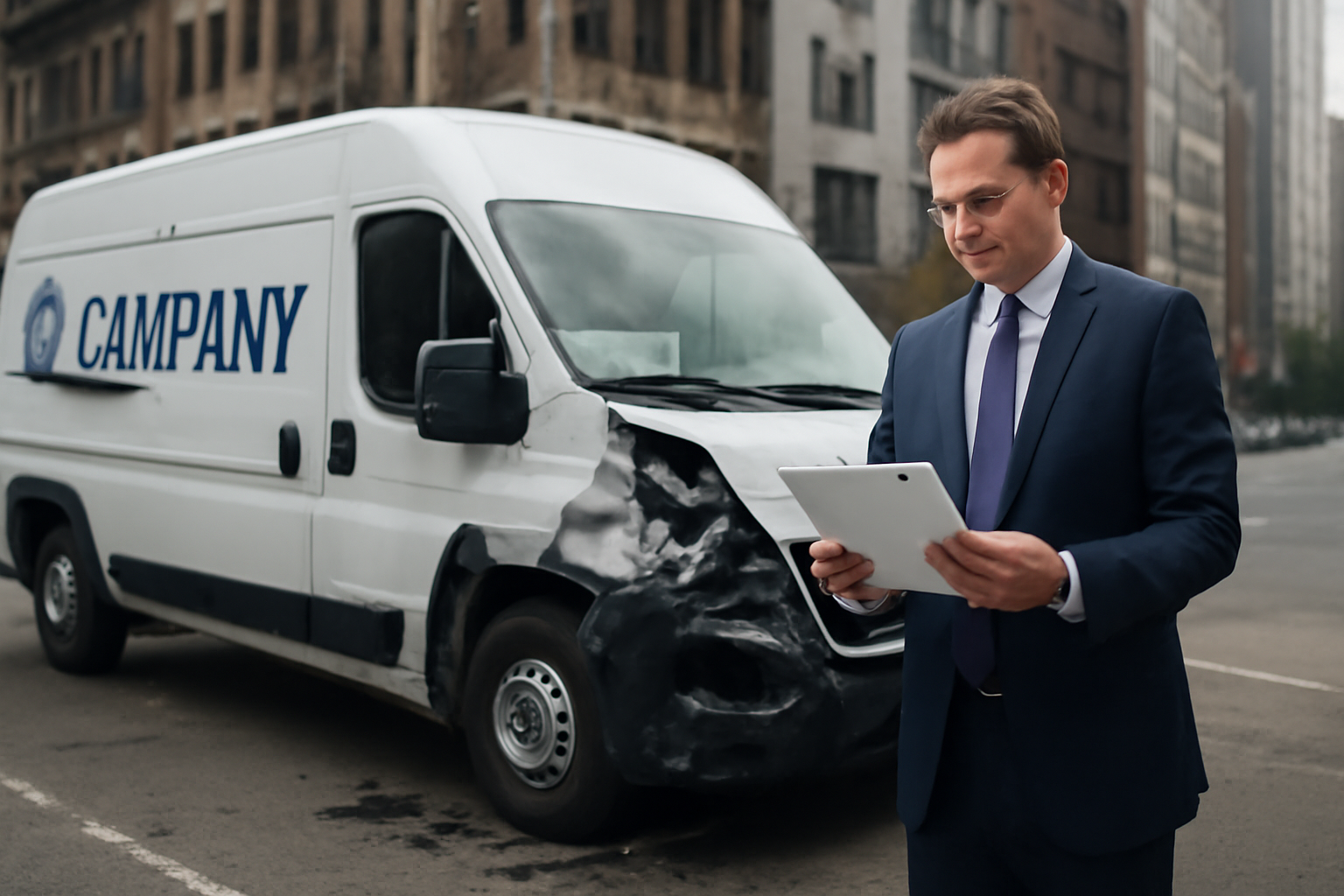
    What Legal Liability Means When a Client Is Injured

    When a client suffers injuries in a car accident connected to your business operations, the legal concept at play is usually negligence. In plain English, negligence means your business had a duty to keep that person reasonably safe, failed to meet that duty, and the failure directly caused the injury.

    Courts in every U.S. state recognize several legal theories under which a business can be held responsible for a client’s accident-related injuries:

    • Premises liability: If the accident happens in your parking lot and poor maintenance, bad lighting, or unsafe design contributed to the crash, you can be held liable.
    • Negligent entrustment: If you allowed an unqualified or impaired driver to operate a company vehicle that then struck a client, you bear responsibility for that decision.
    • Vicarious liability: Under a legal doctrine called respondeat superior, employers are generally liable for negligent acts their employees commit while performing job-related duties — including driving.
    • Negligent hiring or supervision: If you failed to screen a driver employee’s record and that person had multiple prior violations, courts may hold you liable for inadequate hiring practices.

    According to the Insurance Information Institute (III), the average cost of a liability claim involving a motor vehicle injury exceeds $24,000 — and cases that reach litigation routinely climb past six figures once attorney fees, expert witnesses, and court costs are factored in.

    Key Scenarios Where Your Business Faces Client Car Accident Liability

    Not every accident involving a client creates equal exposure. Understanding the most common situations helps you assess your own risk profile.

    1. Parking Lot Accidents on Business Property

    Your parking lot is considered part of your business premises. If a client is struck by a vehicle while walking to or from your building — or if poor lot design causes a collision — you may be named in the resulting lawsuit even if a third-party driver caused the crash. In many states, you have a duty to maintain a reasonably safe ingress and egress for customers and clients.

    2. Company-Arranged Transportation

    If your business organizes rides, shuttles, or transportation for clients — think corporate events, site tours, client dinners, or real estate property showings — and an accident occurs during that transportation, your company’s liability exposure expands dramatically. Courts have consistently found that businesses assume a duty of care when they arrange transport on behalf of clients.

    3. Employee Driving Clients in Personal or Company Vehicles

    A sales representative who drives a client to a lunch meeting in their personal car is still acting on behalf of the business. If an accident occurs, the injured client’s car accident lawyer will almost certainly name both the employee and the business in any claim or lawsuit. Depending on your state, your commercial auto policy — or lack thereof — determines how well-protected you are.

    4. Delivery or Service Vehicles Near Client Locations

    If your service vehicle strikes a client’s car while making a delivery or service call at their location, the business is directly in the crosshairs. The Federal Motor Carrier Safety Administration (FMCSA) reports that large commercial vehicles are involved in approximately 415,000 crashes annually in the United States — and business owners bear the brunt of resulting civil claims.

    How a Car Accident Lawyer Pursues a Claim Against Your Business

    When a client retains a car accident lawyer after being injured in an accident connected to your business, the attorney will typically take a systematic approach to building maximum liability exposure. Understanding this process helps you prepare your defense.

    1. Investigation and evidence gathering: The attorney will subpoena surveillance footage, parking lot maintenance records, driver logs, vehicle inspection reports, and employee personnel files. They will reconstruct the accident using expert witnesses if necessary.
    2. Identifying all liable parties: A skilled plaintiff’s attorney will name every potentially responsible party — the driver, the business entity, the property owner, and any third-party contractors who maintained the vehicles or property.
    3. Calculating full damages: In most cases, damages include medical bills (current and future), lost income, pain and suffering, and in cases of gross negligence, punitive damages. Punitive damages in egregious cases can be two to three times the compensatory award.
    4. Negotiating with insurers or filing suit: Most cases settle before trial, but if your insurer lowballs the offer, the attorney will file a civil lawsuit. In federal court, businesses often face jury awards that reflect community sentiment — and juries are generally sympathetic to injured clients over corporate defendants.

    This is why having the right commercial insurance and a knowledgeable business attorney in your corner before an incident occurs is so critical. See our guide on Hired & Non-Owned Auto Insurance: Business Guide for details on the specific coverage that protects businesses when employees drive on company business.

    Costs, Legal Fees, and Financial Impact on Your Business

    The financial reality of a client car accident lawsuit is stark. Many small business owners underestimate just how quickly costs escalate, particularly when a case goes to litigation.

    Here is a realistic breakdown of what your business could face:

    • Defense attorney fees: Business litigation attorneys typically charge $250 to $600 per hour. A case that goes to trial can rack up $50,000 to $150,000 in legal fees alone.
    • Medical damages: A serious injury — spinal damage, traumatic brain injury, broken bones — can produce medical claims exceeding $100,000, with future care costs multiplying that figure.
    • Lost income claims: If the injured client is a professional who misses work, their attorney will include lost wages and reduced earning capacity in the demand.
    • Punitive damages: If your business is found to have shown reckless disregard for safety — such as knowingly allowing an unlicensed driver to transport clients — punitive damages can be substantial.
    • Reputation damage: Beyond direct financial costs, a public lawsuit can damage your business relationships, your Google reviews, and your ability to retain and attract clients.

    The CFPB and consumer advocacy groups have documented that uninsured or underinsured businesses frequently face business closure following major liability judgments. Adequate insurance is not optional — it is a foundational element of responsible business ownership.

    For a broader look at how personal injury lawsuits can affect your business operations, our guide on Business Impact: When a Personal Injury Lawyer Can Help Your Enterprise covers the full spectrum of civil liability risks small businesses face.

    Common Mistakes Business Owners Make That Increase Liability

    In reviewing how car accident lawsuits unfold, certain business-owner errors appear repeatedly. Avoiding these mistakes could be the difference between a manageable insurance claim and a business-ending judgment.

    Mistake 1: Assuming Personal Auto Insurance Covers Business Use

    This is perhaps the most expensive mistake a business owner can make. Standard personal auto insurance policies explicitly exclude coverage when a vehicle is being used for business purposes. If your employee drives a client to a work-related event in their personal car and causes an accident, the employee’s personal insurer will likely deny the claim — leaving your business exposed. You need hired and non-owned auto insurance (HNOA) to fill this gap.

    Mistake 2: Failing to Screen Driver-Employees

    If any employee drives clients, delivers goods, or operates vehicles on behalf of your business, you have a legal obligation to verify their driving record before putting them behind the wheel. The IRS and FMCSA both maintain standards for commercial driver qualifications. A single hire with a DUI history who then injures a client creates negligent entrustment liability that your insurer may not cover if you skipped the screening process.

    Mistake 3: Neglecting Parking Lot Maintenance

    Uneven pavement, poor signage, inadequate lighting, and confusing traffic flow are all conditions that contribute to parking lot accidents. Many business owners treat their lots as afterthoughts. Courts do not. Document your maintenance schedule, fix hazards promptly, and keep records of every repair and inspection — these records become critical evidence if you are ever sued.

    Mistake 4: Not Contacting an Attorney Immediately After an Incident

    When a client is injured in a car accident connected to your business, the instinctive reaction is to apologize and try to settle informally. This is almost always a mistake. Statements you make — even well-meaning ones — can be used against you in court. Notify your insurer immediately, document everything, and retain a business attorney before making any statements or offers to the injured party.

    Mistake 5: Carrying Insufficient Coverage Limits

    Many small businesses purchase the minimum required commercial auto or general liability coverage to save on premiums. But minimum limits — often $300,000 to $500,000 — can be exhausted quickly in a serious injury case. Consider an umbrella policy, which provides an additional layer of coverage (typically $1 million to $5 million) at relatively low cost. For context, see our guide on Commercial General Liability Insurance: A Complete Guide.

    Alternatives and Complementary Strategies to Reduce Your Risk

    Beyond insurance, there are proactive operational and legal strategies that can meaningfully reduce your exposure to client car accident lawsuits.

    Option 1: Third-Party Transportation Services

    Instead of using company vehicles or employee cars to transport clients, contract with licensed transportation services — rideshare platforms with business accounts, chartered bus companies, or licensed livery services. These entities carry their own commercial insurance, and while you may still face some liability, the primary responsibility shifts to the carrier. This is a practical solution for businesses that regularly transport clients for events or site visits.

    Option 2: Formal Driver Safety Programs

    The National Safety Council offers driver safety training programs specifically designed for business use. Businesses that implement documented driver safety programs — including regular training, vehicle inspections, and written policies — demonstrate a good-faith effort to prevent accidents. This proactive documentation can reduce both the frequency of accidents and your legal exposure if one does occur.

    Option 3: Contractual Risk Transfer

    Work with your business attorney to review client contracts, event agreements, and vendor arrangements for appropriate indemnification clauses and liability limitations. While you cannot contractually eliminate all liability to injured clients in most states, well-drafted agreements can clarify responsibilities and reduce your exposure in multi-party accident scenarios.

    Frequently Asked Questions

    Can a client sue my business if they were hit by a third-party driver in my parking lot?

    Generally speaking, yes — if your parking lot’s design, maintenance, or signage contributed to the accident. Courts have held businesses liable as property owners when unsafe lot conditions were a contributing factor. However, if the lot was well-maintained and the accident was entirely the fault of the third-party driver, your liability is significantly reduced. Document all maintenance and promptly address any known hazards.

    Does my general liability insurance cover client car accidents?

    Standard Commercial General Liability (CGL) policies typically cover bodily injury on your premises — including parking lot incidents — but they generally exclude auto-related incidents involving company vehicles or employees driving on company business. For vehicle-related liability, you need commercial auto insurance and/or hired and non-owned auto insurance (HNOA) in addition to your CGL policy.

    What should I do immediately after a client is injured in a car accident at or near my business?

    First, ensure the injured person receives emergency medical attention. Second, call your commercial insurance carrier to report the incident — do this before making any statements to the injured client or their representatives. Third, document everything: photograph the scene, gather witness information, and preserve any surveillance footage. Fourth, retain a business attorney experienced in liability defense before speaking with opposing counsel or adjusters.

    How long does a client have to sue my business after a car accident?

    This depends on your state’s statute of limitations for personal injury claims. In most states, the deadline ranges from two to three years from the date of the accident. Some states allow exceptions that can extend this window. This means an incident you considered resolved may resurface as a lawsuit years later — reinforcing the importance of maintaining insurance coverage and retaining incident records indefinitely.

    Will my business insurance rates increase after a client files a car accident claim?

    In most cases, yes. Filing a liability claim — even one that is ultimately denied or settled for a modest amount — can trigger a premium increase at renewal. However, the increase from a single well-managed claim is almost always smaller than the out-of-pocket cost of defending and paying an uninsured claim. The key is to carry adequate coverage, implement safety protocols that reduce claim frequency, and work with an experienced commercial insurance broker who can shop your coverage competitively at renewal.

    Conclusion: Protect Your Business Before the Accident Happens

    Client car accident lawsuits are a serious and often underestimated threat to small and mid-size businesses across the United States. The combination of negligence law, deep-pocket expectations from juries, and rising medical costs means that a single incident can produce a financial crisis for an unprepared business owner.

    The good news is that most of your risk is manageable. The right combination of commercial auto insurance, hired and non-owned auto coverage, an umbrella policy, documented driver screening, and parking lot maintenance goes a long way toward both preventing accidents and limiting your legal exposure when one does occur.

    Your most important next step is to schedule a review with both a licensed commercial insurance broker and a business attorney who handles liability matters. Ask them to audit your current coverage gaps, review your driver policies, and assess your premises safety practices. Doing this proactively — before any incident — is far less expensive than doing it in response to a lawsuit.

    This article is for educational purposes only and does not constitute financial, tax, or investment advice. Always consult a licensed financial advisor, CPA, or attorney before making financial decisions.
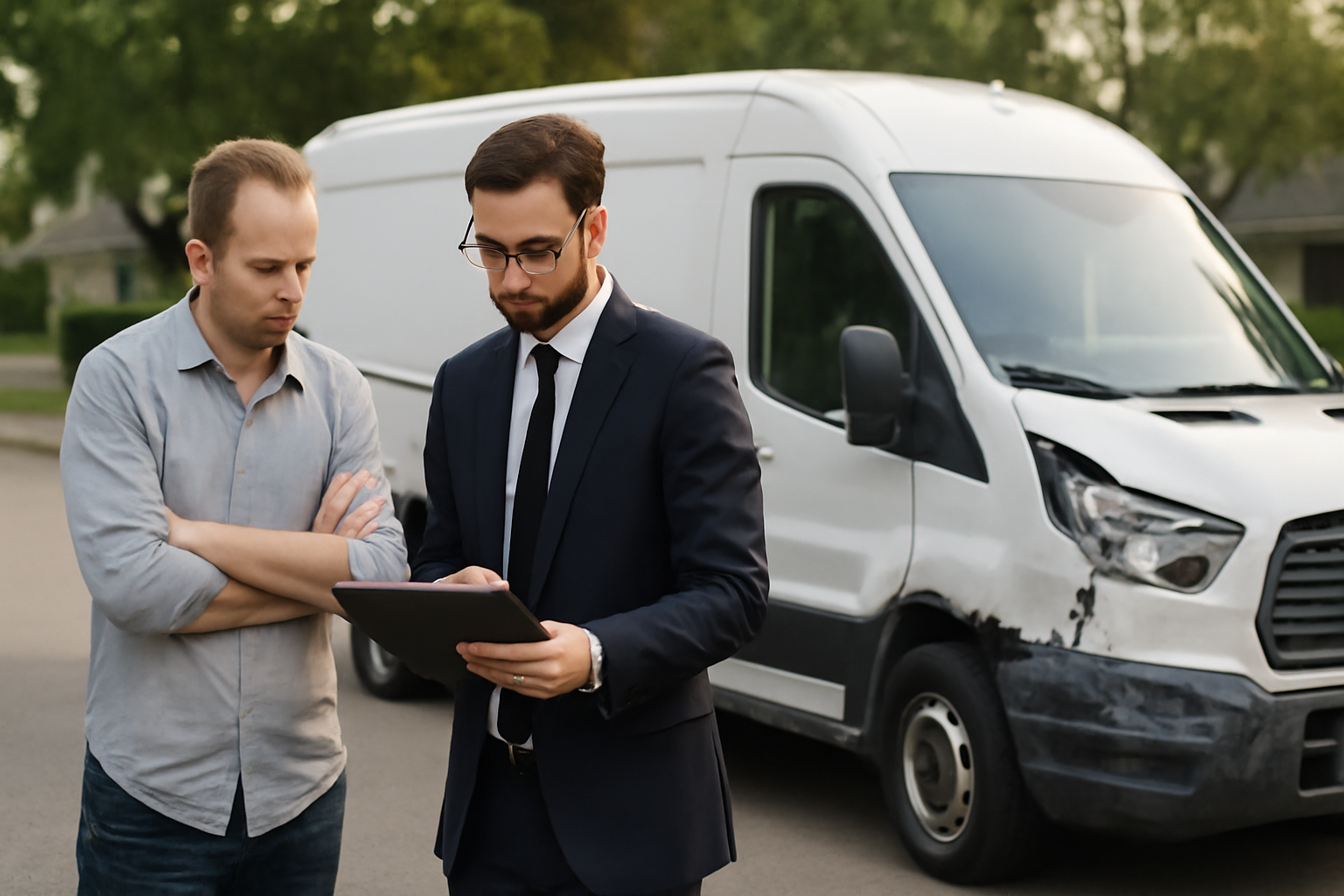
  • Hired & Non-Owned Auto Insurance: Business Guide

    Hired & Non-Owned Auto Insurance: Business Guide

    One employee accident in a personal vehicle on company business can expose your small business to a lawsuit worth hundreds of thousands of dollars — here’s how to protect yourself.

    Why Your Business Is Exposed Every Time an Employee Drives

    Consider this scenario: Sarah, one of your sales reps, drives her personal Honda Civic to a client meeting across town. On the way back, she rear-ends another vehicle at a red light. The other driver sustains a back injury and files a $200,000 lawsuit — not just against Sarah, but against your business.

    According to the Insurance Information Institute, the average cost of an auto liability claim involving bodily injury exceeded $22,700 as of recent industry data — and commercial cases involving business liability often run significantly higher.

    If your small business relies on employees who drive their own cars for work errands, client visits, or deliveries, you are exposed to this kind of liability every single day. And most standard business insurance policies won’t cover it.

    In this guide, you’ll learn exactly what Hired and Non-Owned Auto (HNOA) insurance is, why a car accident lawyer becomes critical when a claim turns into a lawsuit, and the specific steps every business owner should take to protect their company before and after an accident occurs.

    What Is Hired and Non-Owned Auto Insurance?

    Hired and Non-Owned Auto (HNOA) insurance is a type of commercial liability coverage that protects your business when employees use vehicles your company does not own for work-related purposes.

    The two components break down like this:

    • Hired auto coverage applies when your business rents or leases a vehicle — for example, an employee rents a car during a business trip.
    • Non-owned auto coverage applies when an employee uses their own personal vehicle to perform work duties — like driving to the post office, visiting a client, or picking up supplies.

    This coverage is not a replacement for the employee’s personal auto insurance. Instead, it acts as a liability shield for your business entity specifically. If your company is named in a lawsuit following an accident, HNOA coverage is what responds on the business’s behalf.

    Generally speaking, HNOA only covers liability — meaning damage or injury your employee causes to a third party. It does not cover physical damage to the employee’s own vehicle.

    This coverage can typically be added as an endorsement to a Business Owner’s Policy (BOP) or purchased as a standalone commercial auto policy add-on. Premiums vary based on your industry, employee count, and driving exposure, but many small businesses pay between $150 and $600 per year for HNOA coverage — a small price compared to a six-figure lawsuit.

    When a Car Accident Becomes a Business Legal Crisis

    The moment an employee’s accident involves injuries, property damage above a certain threshold, or a disputed liability claim, you are no longer dealing with a simple insurance matter. You are potentially dealing with civil litigation against your business.

    According to the National Safety Council, motor vehicle crashes cost employers more than $72 billion annually in lost productivity, medical care, legal costs, and property damage. For small businesses without adequate legal protection, a single serious accident can be financially catastrophic.

    Here’s where a car accident lawyer becomes essential for your business — not just the injured party:

    1. Determining employer liability under respondeat superior. This legal doctrine (Latin for “let the master answer”) holds employers responsible for the actions of employees performed within the scope of their job duties. A car accident lawyer can assess whether the accident falls under this doctrine and how it applies to your specific situation.

    2. Negotiating with the plaintiff’s legal team. If the injured party hires a personal injury attorney — which is common in accidents involving injuries — your business needs legal representation to avoid an unfavorable settlement.

    3. Protecting your business assets. Without proper legal counsel, a judgment against your business could result in liens on business property, garnishment of business accounts, or even personal liability if your business structure doesn’t adequately protect you.

    4. Coordinating between multiple insurance policies. HNOA claims often involve the employee’s personal auto policy AND your business liability policy. A car accident lawyer experienced in commercial claims can manage these overlapping coverages and prevent gaps from being exploited by the opposing counsel.

    Step-by-Step: What to Do After an Employee Is in an Accident

    The actions your business takes in the hours and days immediately following an employee accident will significantly shape your legal and financial exposure. Follow these steps carefully.

    1. Ensure safety and document the scene. Confirm the employee and all parties are safe. Instruct your employee to call 911, get a police report number, photograph the scene, and collect the other driver’s insurance and contact information.
    2. Notify your insurance carrier immediately. Contact your commercial insurance provider within 24 hours. Delayed reporting can jeopardize your HNOA or BOP claim. Provide only factual information — do not admit fault on behalf of your business.
    3. Preserve all internal records. Secure emails, dispatch logs, timesheets, or any documentation showing the employee was acting within the scope of their employment. These records are discoverable in litigation.
    4. Consult a car accident lawyer before making statements. Before your business responds to any demand letters, legal notices, or requests from the other driver’s attorney, consult with a lawyer who handles commercial auto liability. This is especially critical if injuries are involved.
    5. Do not settle without legal review. If the other party’s insurer or attorney offers a quick settlement, resist the temptation to accept without having a lawyer review the terms. Early settlements often undervalue claims — but they can also contain language that protects your business from future liability, which an attorney can help you evaluate.
    6. Review your driving policies internally. Use the incident as a trigger to audit your employee driving authorization procedures, motor vehicle record (MVR) checks, and reimbursement policies. The IRS standard mileage rate for 2026 is currently 70 cents per mile — proper documentation of business mileage also matters legally.

    Costs, Risks, and Hidden Exposures Business Owners Miss

    Many small business owners assume their general liability policy or the employee’s personal auto insurance will “cover it.” That assumption creates dangerous gaps.

    Commercial General Liability (CGL) policies typically exclude auto accidents. Your standard CGL policy — which covers things like slip-and-fall injuries at your location — contains an explicit auto exclusion. If your employee causes an accident in their car, your CGL will not respond. This is one of the most expensive misconceptions in small business insurance. Learn more about how CGL coverage works in our Commercial General Liability Insurance complete guide.

    Personal auto policies have business-use exclusions. Many personal auto policies contain language excluding or limiting coverage when the vehicle is being used for commercial purposes. If your employee is driving for your business and their insurer denies the claim, your business is the next target.

    Punitive damages may not be covered. In cases involving reckless driving, intoxication, or other egregious conduct, courts may award punitive damages — which many insurance policies do not cover. Your business could be responsible for these out of pocket.

    Defense costs add up fast. Even if your business ultimately prevails in a lawsuit, defending against a commercial auto liability claim can cost $50,000 to $150,000 or more in legal fees alone, according to industry estimates. HNOA and commercial umbrella policies typically cover defense costs, which is why maintaining adequate coverage limits matters.

    Sole proprietors face personal asset risk. If your business is structured as a sole proprietorship, there is no legal separation between your business and personal assets. A judgment against your business is effectively a judgment against you personally. This is one reason why many business owners benefit from forming an LLC — see our comparison of Sole Proprietorship vs. LLC to understand the liability differences.

    Common Mistakes Business Owners Make After an Employee Accident

    Understanding what not to do is just as important as knowing the right steps to take.

    Mistake #1: Assuming the employee’s personal insurance will handle everything. As noted above, personal policies may exclude business use. Even when they don’t, the coverage limits (often $100,000 or less) may be far too low for a serious injury claim. Your business becomes the deeper pocket that plaintiffs pursue.

    Mistake #2: Talking to the other party’s attorney without legal representation. When the injured party’s lawyer calls your business, every word you say can be used against you. Business owners often try to explain themselves or negotiate directly, inadvertently making admissions that hurt their case. Always have a car accident lawyer speak on your behalf.

    Mistake #3: Failing to check employee driving records before assigning work travel. If an employee with a history of DUIs or at-fault accidents causes a crash while on the job, plaintiffs’ attorneys will argue negligent entrustment — that your business knew or should have known the employee was an unsafe driver. Running annual MVR checks on any employee who drives for business is a critical risk management practice.

    Mistake #4: Waiting too long to secure legal counsel. Some business owners delay consulting an attorney because they hope the situation will resolve through insurance alone. However, statutes of limitations for personal injury claims vary by state (typically 2-3 years), and evidence preservation in the early days after an accident is critical. Early legal involvement protects your position. You can read more about the full timeline in our guide on when to pursue legal action after a business car accident.

    Mistake #5: Underinsuring with low HNOA limits. HNOA policies are often added with minimum limits to save money. However, if a serious accident results in permanent disability or wrongful death, minimum limits ($100,000 or $300,000) can be exhausted quickly. Discuss commercial umbrella coverage with your insurance broker to extend liability limits cost-effectively.

    Alternatives and Complementary Protections to Consider

    HNOA insurance and a car accident lawyer are your two primary defenses — but smart business owners layer multiple protections.

    Commercial Umbrella Insurance: This policy sits above your HNOA and other liability policies, extending your coverage limits by $1 million or more. For businesses with frequent employee driving, umbrella coverage is often worth the additional $500-$1,500 per year in premium. It’s one of the most cost-effective ways to protect against catastrophic claims.

    Commercial Auto Policy (if applicable): If your business owns vehicles, you need a commercial auto policy — not HNOA. Commercial auto provides broader coverage including physical damage to company vehicles, which HNOA does not. If you’re operating a fleet, consult our article on fleet accident liability and how a car accident lawyer protects your business at fleet accident liability guide.

    Employee Mileage Reimbursement Programs with Driving Agreements: Formalizing driving policies in writing — including requiring employees to carry minimum personal auto insurance limits, authorizing their use of personal vehicles for business, and documenting mileage — creates a paper trail that can help limit your liability exposure. Consult an employment attorney to draft these agreements properly.

    Frequently Asked Questions

    Q: Does HNOA insurance cover accidents that happen during an employee’s daily commute?
    Generally, no. HNOA coverage applies when an employee is driving for business purposes, not simply commuting to and from a fixed work location. The commute is typically considered a personal activity. However, if the employee makes a business stop during their commute — such as picking up supplies — the line can blur. A car accident lawyer can help determine coverage applicability in ambiguous cases.

    Q: What if my employee was at fault — does that affect my business’s coverage?
    Yes, fault matters in determining which policies respond and in what order. If your employee is at fault, your HNOA coverage responds to the third party’s claims. If the other driver is at fault, their liability insurance would respond first. Comparative negligence laws also vary by state — in some states, even partial fault by the other driver can affect your recovery. An attorney experienced in commercial auto litigation can navigate these nuances.

    Q: How much does a car accident lawyer cost for business liability cases?
    If your business is the defendant, defense attorneys typically charge hourly rates ranging from $250 to $500 or more per hour for commercial litigation. However, if your HNOA or commercial auto policy covers the claim, your insurer will generally provide and pay for defense counsel up to your policy limits. This is one of the primary reasons maintaining adequate insurance limits is so important.

    Q: Can an LLC protect my personal assets if my business is sued after an employee accident?
    In most cases, yes — an LLC provides a liability shield that separates your personal assets from business liabilities. However, this protection is not absolute. Courts can “pierce the corporate veil” if the business was not operated as a separate entity, if personal and business finances were commingled, or in cases involving personal guarantees. Maintain proper corporate formalities and adequate insurance regardless of your business structure.

    Q: Is HNOA coverage required by law?
    No federal law mandates HNOA coverage, but some state laws or client contracts may require it. More importantly, the financial exposure from operating without it — especially for businesses where employees regularly drive for work — makes it a practical necessity rather than an optional add-on. Consult your insurance broker to assess your specific risk profile.

    The Bottom Line: Don’t Wait for a Lawsuit to Get Protected

    Every time an employee drives for your business — even once a week, even just to the bank — your business is exposed to liability that a standard general liability policy will not cover. Hired and Non-Owned Auto insurance fills that gap for a fraction of what a single lawsuit could cost.

    But insurance alone isn’t enough. When a serious accident happens, you need a car accident lawyer who understands commercial liability, respondeat superior doctrine, and how to negotiate with opposing counsel on behalf of your business entity specifically.

    The practical next steps for most business owners are straightforward: audit your current insurance coverage for the HNOA gap, implement a formal employee driving policy with MVR checks, and identify a commercial litigation attorney in your area before you need one. Proactive protection is always cheaper than reactive damage control.

    This is for educational purposes — consult a licensed financial advisor, insurance professional, or attorney for personalized guidance specific to your business situation.


    Financial Disclaimer: This article is for educational purposes only and does not constitute financial, tax, legal, or investment advice. Always consult a licensed financial advisor, CPA, insurance professional, or attorney before making financial or legal decisions for your business.

  • Fleet Accident Liability: How a Car Accident Lawyer Helps

    Fleet Accident Liability: How a Car Accident Lawyer Helps

    One employee crash can expose your business to $500,000 or more in liability — here’s how a car accident lawyer keeps your company protected.

    According to the National Safety Council, motor vehicle crashes cost employers more than $72.2 billion annually in lost productivity, medical costs, legal expenses, and property damage. If your business operates a fleet — whether it’s delivery vans, service trucks, or even a handful of company cars — a single at-fault accident involving one of your employees could trigger a lawsuit that threatens everything you’ve built.

    Most small business owners assume their commercial auto insurance policy is enough. It rarely is. Between negligent entrustment claims, respondeat superior liability, and gaps in coverage that insurers love to exploit, fleet accident cases are legally complex. A skilled car accident lawyer — one who understands both personal injury law and business liability — can be the difference between a manageable claim and a catastrophic judgment.

    In this guide, you’ll learn exactly how fleet accident liability works, what a car accident lawyer does to protect your business, and the concrete steps you should take right now to reduce your exposure.

    What Is Fleet Accident Liability and How Does It Work?

    Fleet accident liability refers to a business’s legal responsibility when an employee — driving a company-owned or company-authorized vehicle — causes an accident that injures another person or damages property.

    Under the legal doctrine known as respondeat superior (Latin for “let the master answer”), employers are held vicariously liable for negligent acts their employees commit within the scope of employment. In plain English: if your driver rear-ends someone while making a delivery, your business is on the hook — not just the driver.

    The Federal Motor Carrier Safety Administration (FMCSA) reports that large truck and bus crashes alone result in roughly 5,700 fatalities and 160,000 injuries per year. But you don’t need to operate semis to face serious liability. A plumber driving a company van, a sales rep in a leased sedan, or even a contractor using their personal car for a business errand can create significant legal exposure for your company.

    Here’s what makes fleet liability particularly dangerous for business owners:

    • Deep pocket targeting: Plaintiffs’ attorneys know businesses carry more insurance than individuals. Your company becomes the primary target in any lawsuit.
    • Punitive damages: If a court finds you were negligent in hiring, training, or supervising the driver, punitive damages — which can be several times the actual damages — may apply.
    • Multiple claims: A single accident can generate claims from the injured driver, passengers, property owners, and even your own employee if they were injured.

    Key Reasons Your Business Needs a Car Accident Lawyer After a Fleet Crash

    Many business owners make the mistake of leaving everything to their insurance adjuster. That’s a costly error. Insurance adjusters work for the insurance company — not for you. Their goal is to minimize the insurer’s payout, which sometimes means leaving your business exposed in ways that only become apparent during litigation.

    A 2024 study by the Insurance Research Council found that claimants who hired attorneys received settlements 3.5 times higher than those who negotiated directly with insurers. If the other party has a lawyer and you don’t, you’re at a serious disadvantage from day one.

    Here’s what a car accident lawyer experienced in business fleet cases specifically does for you:

    1. Conducts an Immediate Legal Audit

    In the hours and days after a crash, critical evidence can disappear — dashcam footage gets overwritten, vehicle black box data (called an EDR, or Event Data Recorder) gets lost, and witness memories fade. A lawyer can issue legal holds and spoliation letters to preserve evidence before it’s gone.

    2. Assesses Your True Liability Exposure

    An attorney will examine whether the employee was acting within the scope of their employment, whether the vehicle was properly maintained, whether the driver had a valid license and clean record, and whether your hiring process was legally defensible. Each factor affects your exposure significantly.

    3. Coordinates With Your Insurer Without Surrendering Control

    Your lawyer acts as a buffer between you and both your insurer and the opposing counsel. They ensure you don’t make statements that can be used against you, and they verify that your insurer is honoring all coverage obligations. For more context on when legal action becomes necessary, see our guide on When to Sue After a Business Car Accident.

    4. Defends Against Negligent Entrustment Claims

    This is one of the most dangerous claims in fleet accident cases. Negligent entrustment means you knowingly gave a vehicle to someone who was unfit to drive — perhaps they had a history of DUIs or prior accidents. A lawyer builds a documented defense showing your hiring and screening protocols were reasonable.

    Step-by-Step: What to Do Immediately After a Fleet Accident

    The actions your business takes in the first 72 hours after an employee vehicle accident can make or break your legal defense. Here’s a practical checklist:

    1. Secure the scene and ensure safety first. Make sure your employee calls 911 and gets medical attention for anyone injured. Never instruct an employee to leave the scene — that’s a criminal offense in every state.
    2. Document everything immediately. Photos of vehicle damage, road conditions, signage, skid marks, and any injuries are essential. If your vehicle has a dashcam, secure that footage before it’s overwritten.
    3. Notify your commercial auto insurer within 24 hours. Most policies require prompt notification. Delaying can void coverage. However, limit what you say — stick to the basic facts of what happened.
    4. Do NOT admit fault. Train all employees in advance: never say “I’m sorry” or “It was my fault” at the scene. These statements are admissible in court and can severely damage your defense.
    5. Contact a car accident lawyer before giving a recorded statement. Insurers often request recorded statements quickly. Your lawyer should review questions before you or your employee respond.
    6. Pull the driver’s file immediately. Gather their hiring records, MVR (Motor Vehicle Report), training certifications, and any prior incident reports. Know what’s in that file before opposing counsel does.
    7. Issue a document preservation hold. Instruct all relevant employees to retain all emails, texts, dispatch logs, maintenance records, and GPS data related to the vehicle and driver.
    8. Review your insurance policy with your attorney. Confirm the coverage limits on your commercial auto policy. The Insurance Information Institute recommends commercial policies with at least $1 million in combined single limit coverage for businesses operating fleets.

    Costs, Fees, and Risks of Fleet Accident Litigation

    Let’s be transparent: fleet accident lawsuits can be extraordinarily expensive, even when you’re well-insured.

    The average jury verdict in commercial vehicle accident cases involving serious injuries exceeded $1.3 million in recent years, according to data from the American Transportation Research Institute. Cases involving fatalities or catastrophic injuries routinely result in verdicts above $10 million.

    Legal fees: Most car accident lawyers who represent defendants (businesses) charge hourly rates ranging from $250 to $600 per hour, depending on experience and market. If your insurer provides a defense lawyer, their fees are typically covered — but you need to verify the scope of that representation in your policy.

    Coverage gaps to watch:

    • Non-owned auto liability: If your employee was driving their personal vehicle on company business, your commercial auto policy may NOT cover it automatically. You need non-owned auto coverage added explicitly.
    • Umbrella limits: Many small businesses carry $1 million in liability coverage — but verdicts routinely exceed that. A commercial umbrella policy ($1M–$5M in additional coverage) costs roughly $1,500–$3,000 annually and is well worth it.
    • Punitive damages exclusions: Some policies explicitly exclude coverage for punitive damages. If you’re found grossly negligent in hiring or supervision, you could owe millions out of pocket.

    For a broader look at how lawsuits can affect your business finances, our Personal Injury Lawsuits Against Your Business guide covers the full financial and legal landscape.

    Common Mistakes Business Owners Make After a Fleet Accident

    These errors are avoidable — and each one can dramatically increase your liability exposure.

    Mistake #1: Waiting to Hire a Lawyer

    Many business owners assume they can handle early communications with the opposing party’s insurer themselves. By the time they realize they need legal representation, critical evidence is gone and damaging statements have been made. Hire a lawyer within 48 hours of any serious accident.

    Mistake #2: Failing to Vet Drivers Before Accidents Happen

    Negligent entrustment is a plaintiff’s dream claim. If you didn’t run MVR checks before hiring drivers, didn’t re-check annually, or knowingly let a driver with a suspended license operate a company vehicle, courts often view this as gross negligence. The IRS and FMCSA both have guidelines on driver qualification files for commercial operators — follow them proactively.

    Mistake #3: Ignoring the “Personal Errand” Problem

    Your liability typically ends when an employee “deviates” from their work duties for a purely personal errand — known in law as a “frolic.” But the line is blurry. If your driver stops for lunch on a delivery route and hits someone in the parking lot, courts in many states still hold employers liable. Document employee routes and duties clearly to establish scope-of-employment boundaries.

    Mistake #4: Letting Your Insurer Handle Everything

    Insurance companies have their own legal teams whose loyalty runs to the insurer — not to your business. In complex cases where your personal assets or business reputation are at risk, having independent legal counsel reviewing every decision is non-negotiable.

    Mistake #5: Skipping a Fleet Safety Program

    Courts and juries look favorably on businesses that demonstrate proactive safety practices. If you have no written fleet safety policy, no driver training program, and no vehicle maintenance logs, you look negligent even when you’re not. Implement a formal program now — before an accident happens. This also reduces your insurance premiums over time.

    Alternatives to Consider: Beyond a Car Accident Lawyer

    While legal representation is essential after a crash, there are proactive strategies that reduce your odds of ever needing it.

    Option 1: Commercial Auto Insurance With Robust Limits

    Pros: Covers most accident-related costs including legal defense. Relatively affordable for small fleets (typically $1,200–$2,400 per vehicle annually for standard commercial coverage).
    Cons: Policy limits can be exhausted in serious accidents. Coverage gaps in non-owned vehicles and punitive damages require attention.

    Option 2: Fleet Risk Management Consulting

    Pros: Specialized consultants help you build compliant driver vetting programs, GPS monitoring systems, and dashcam policies that dramatically reduce accident frequency and legal exposure.
    Cons: Upfront cost ranges from $2,000–$10,000 depending on fleet size. Ongoing program management requires staff time.

    Option 3: Outsourcing Delivery and Field Operations

    Pros: Using third-party contractors (with proper independent contractor classification) can shift accident liability away from your business.
    Cons: Courts increasingly scrutinize contractor classifications. Misclassification can still result in employer liability. Consult an employment attorney before restructuring. Our guide on Workers’ Compensation Insurance for Small Businesses discusses related classification risks.

    Frequently Asked Questions

    Is my business liable if an employee causes an accident in their own car?

    Potentially, yes. If the employee was performing work duties at the time of the accident — making deliveries, visiting clients, running errands you directed — your business may be liable under respondeat superior doctrine. You need non-owned auto liability coverage on your commercial policy to address this exposure.

    How long does a business have to respond after a fleet accident lawsuit is filed?

    In most states, defendants have 20 to 30 days to formally respond to a civil complaint after being served. Missing this deadline can result in a default judgment against your business. This is why immediate legal representation is critical — do not wait until you’re served to find a lawyer.

    Can a car accident lawyer help even if we’re clearly at fault?

    Absolutely. Even in clear liability cases, an attorney can negotiate settlement amounts, challenge inflated damage claims, dispute the extent of alleged injuries, and ensure your insurer fulfills its coverage obligations. Skilled legal representation in an at-fault case can reduce your total exposure by tens of thousands of dollars or more.

    What’s the statute of limitations for business fleet accident lawsuits?

    This varies by state. Most states allow 2 to 3 years from the date of the accident to file a personal injury lawsuit. However, don’t assume you’re safe after a year. Some states have shorter windows, and claims involving government entities can have as little as 6 months. A lawyer will clarify the deadlines that apply in your jurisdiction.

    Do I need a lawyer separate from the one my insurance company assigns?

    In most routine cases, the insurer-appointed attorney is sufficient. However, if your personal assets could be reached (for instance, if damages exceed your policy limits), or if there are coverage disputes, hiring independent counsel to review the situation is strongly advisable. The attorney your insurer provides represents the insurer’s interests, not yours personally.

    Conclusion

    Running a fleet — even a small one — comes with serious legal responsibilities that most small business owners underestimate until it’s too late. A single employee accident can generate a lawsuit that strains your insurance, drains your cash reserves, and damages your business reputation for years.

    The smartest move is a two-part strategy: work with a qualified car accident lawyer before accidents happen to audit your exposure and build defensible policies, and have one on speed dial to engage immediately when an accident occurs. Pair that with adequate commercial auto and umbrella insurance, a documented driver vetting process, and a written fleet safety program.

    Your next step: review your current commercial auto policy limits today, and schedule a 30-minute consultation with a business-focused car accident attorney in your state. An hour of preventive legal counsel costs a fraction of what reactive litigation will.

    This article is for educational purposes only and does not constitute financial, tax, or legal advice. Always consult a licensed attorney, CPA, or financial advisor before making decisions that affect your business.

  • When to Sue After a Business Car Accident: Full Guide

    When to Sue After a Business Car Accident: Full Guide

    Business owners who hire a car accident lawyer after a commercial crash recover, on average, 3.5 times more in settlements than those who handle claims alone — according to data compiled by the Insurance Research Council.

    Every year, commercial vehicles are involved in more than 500,000 crashes on U.S. roads, according to the Federal Motor Carrier Safety Administration (FMCSA). If you own a small business — whether you run a delivery service, a landscaping company, or a consulting firm with a company car — a single accident can trigger lawsuits, insurance disputes, lost revenue, and regulatory penalties all at the same time.

    Knowing when to sue, when to settle, and how a car accident lawyer fits into your business’s legal strategy can mean the difference between recovering fully and absorbing a loss that cripples your operation.

    In this guide, you’ll learn exactly when suing is the right move for your business, how the legal process works after a commercial vehicle accident, what a car accident lawyer actually does for business clients, and the costly mistakes that business owners make when they try to navigate this process alone.

    What Does "Suing After a Business Car Accident" Actually Mean?

    When a vehicle tied to your business is involved in an accident — whether your employee is driving a company truck, you’re in your own vehicle for a business errand, or a client crashes into your delivery van — the legal situation is far more complicated than a standard personal auto claim.

    A "business car accident lawsuit" can mean one of two very different things:

    • You are the plaintiff: Your business vehicle was hit by a negligent driver, and you’re pursuing compensation for property damage, lost business income, medical costs, or employee injuries.
    • You are the defendant: Your employee or company vehicle caused an accident, and a third party is suing your business for damages.

    Both scenarios carry enormous financial stakes. Under the legal doctrine of respondeat superior — Latin for "let the master answer" — employers are generally held liable for accidents caused by employees acting within the scope of their job duties. That means if your driver rear-ends someone while making deliveries, your business is on the hook, not just the driver personally.

    According to the FMCSA, the average cost of a commercial truck accident that results in injury is approximately $148,000. When a fatality is involved, that figure can exceed $7.2 million. These aren’t numbers a small business can absorb without serious legal protection.

    Key Benefits of Hiring a Car Accident Lawyer for Business Claims

    Many business owners assume their commercial auto insurance policy will handle everything. In reality, insurance companies have teams of adjusters and attorneys whose primary goal is to minimize what they pay out. A car accident lawyer levels that playing field.

    Here’s what a qualified attorney actually brings to the table in a business vehicle accident case:

    1. Accurate Valuation of Your Losses

    Beyond vehicle repair or medical bills, your business may be entitled to recover lost contracts, business interruption losses, increased insurance premiums, and employee downtime costs. Most business owners don’t know these are compensable, and insurance adjusters certainly won’t volunteer that information.

    2. Liability Investigation

    Determining fault in a commercial accident often requires accessing FMCSA logs, GPS data, vehicle maintenance records, and driver history — documents that insurance companies and opposing attorneys will fight to keep out of play. A car accident lawyer has the tools to subpoena and analyze this evidence before it disappears.

    3. Protection from Personal Liability

    If your business is structured as an LLC or corporation, a lawyer can work to ensure that liability stays at the business level — protecting your personal assets. Without proper legal representation, this "corporate veil" can be pierced, especially if negligence in hiring or vehicle maintenance is alleged. For more on how your business structure affects liability, see our Personal Injury Lawsuits Against Your Business: A Complete Guide.

    4. Negotiation Power

    Attorneys who regularly handle commercial accident cases know what juries award in your state, what judges allow into evidence, and how to structure demands that force insurance companies to settle fairly rather than risk trial. That knowledge translates directly into higher settlements for their clients.

    Step-by-Step: When and How to Pursue Legal Action

    Not every business car accident requires a lawsuit. Here’s a practical framework for deciding your next move:

    1. Document everything immediately. Photographs, police reports, dashcam footage, witness names, and employee statements should be gathered within 24-48 hours. Evidence degrades fast — and in commercial cases, opposing parties often have legal teams on the scene quickly.
    2. Notify your commercial auto insurer. Most commercial policies require "prompt notice" — typically within 24 to 72 hours of an accident. Missing this window can jeopardize your coverage. Review your policy’s exact language.
    3. Consult a car accident lawyer before giving recorded statements. Insurance adjusters — including your own — may ask for recorded statements. What you say can be used to reduce your payout or shift blame. Consult an attorney first, even if you don’t ultimately hire one.
    4. Evaluate the damages threshold. Generally speaking, if total damages (vehicle, medical, lost income) exceed $25,000, pursuing legal representation is almost always financially justified. Below that threshold, a strong demand letter negotiated by an attorney may be sufficient without filing a formal lawsuit.
    5. Check your state’s statute of limitations. Most states allow 2 to 3 years to file a personal injury or property damage lawsuit stemming from an auto accident. Some states are as short as 1 year for certain claims. Missing this deadline permanently bars your claim — no exceptions.
    6. File a demand letter or complaint. Your attorney will prepare a formal demand letter outlining damages and legal basis. If the insurer refuses a fair settlement, the next step is filing a complaint in civil court — typically state court for accidents under $75,000, or federal court if the parties are in different states and damages exceed that threshold.
    7. Discovery, mediation, and settlement. The majority of commercial accident cases — roughly 95%, according to the Bureau of Justice Statistics — settle before trial. Discovery allows both sides to exchange evidence, and mediation gives both parties a structured opportunity to resolve the dispute without a jury.

    Costs, Fees, and Risks You Need to Understand

    Before pursuing legal action, it’s critical to understand the financial structure of car accident litigation — especially for businesses.

    Contingency Fees

    Most car accident lawyers work on a contingency fee basis, meaning they take a percentage of your settlement or verdict — typically 33% to 40% — and charge nothing upfront. This makes legal representation accessible even if your business is cash-strapped after an accident.

    Litigation Costs

    Even on contingency, you may be responsible for out-of-pocket litigation costs: expert witness fees, court filing fees, deposition transcripts, and accident reconstruction specialists. These can range from $5,000 to $30,000+ in complex commercial cases. Discuss how your attorney handles these costs before signing a retainer agreement.

    Counterclaims Risk

    When your business files a lawsuit, you open the door to counterclaims. If the opposing party argues your driver was also negligent, your exposure could increase. An attorney will assess this risk before filing.

    Impact on Insurance Premiums

    Commercial auto insurance premiums can spike significantly after a major accident — sometimes by 20% to 50% depending on fault, severity, and your claims history. Winning a lawsuit doesn’t undo this. Factor the long-term premium impact into your financial analysis. Your Business Owner’s Policy (BOP) may also be affected if it includes commercial auto coverage.

    Common Mistakes Business Owners Make After a Car Accident

    These are the errors that most consistently cost business owners money — sometimes hundreds of thousands of dollars:

    Mistake #1: Assuming Commercial Auto Insurance Is Enough

    Commercial auto policies cover property damage and basic liability, but they rarely cover the full scope of a serious accident — especially lost business income, punitive damages, or claims that exceed your policy limits. According to the FMCSA, the minimum federal liability coverage for most commercial trucks is $750,000 — but jury awards in serious injury cases regularly exceed that amount. Without umbrella coverage or legal representation, the gap is your problem.

    Mistake #2: Letting Employees Handle It Without Documentation

    When an employee is driving and causes or is involved in an accident, business owners often rely on the employee’s verbal account of what happened. This is a serious error. Employees may minimize their role to avoid consequences, and without contemporaneous documentation — dashcam footage, written statements taken same-day — your case is built on a foundation that can crumble in court.

    Mistake #3: Accepting the First Settlement Offer

    Insurance companies routinely make fast, lowball offers in the days immediately following a major accident, when the full scope of injuries, lost income, and liability haven’t yet been determined. Business owners under financial pressure often accept these offers. Once you sign a release, you waive all future claims — even if your injuries or losses turn out to be far worse than initially apparent.

    Mistake #4: Ignoring Vicarious Liability for Independent Contractors

    Many business owners believe they’re protected from liability when an independent contractor (rather than an employee) causes an accident while doing work for them. This is not always true. Courts in many states apply a "right to control" test — and if you directed the contractor’s route, schedule, or vehicle use, you may be held vicariously liable regardless of their employment classification.

    Mistake #5: Failing to Involve an Attorney Early Enough

    The most expensive mistake is waiting. Evidence is time-sensitive. Witnesses move and forget. FMCSA electronic logging device (ELD) data has mandatory retention windows. The sooner an attorney is involved, the stronger the case your business can build — whether you’re pursuing a claim or defending against one. For a broader look at protecting your business from legal exposure, review our guide on Professional Liability Insurance for Small Business Owners.

    Alternatives to Filing a Lawsuit

    Litigation isn’t always the right path. Depending on your situation, these alternatives may resolve your business’s accident claim more efficiently:

    Direct Insurance Negotiation

    Best for: Lower-value claims (under $15,000) with clear liability and documented losses.
    Pro: Faster resolution, no litigation costs.
    Con: You’re negotiating against experienced adjusters without legal leverage. Final settlements are typically lower than attorney-negotiated outcomes.

    Mediation

    Best for: Mid-range disputes where both parties want to avoid court but can’t agree on a number.
    Pro: Faster and cheaper than trial; outcomes are private; preserves business relationships.
    Con: Non-binding in most states — if mediation fails, you still need to litigate. Mediator fees typically run $150 to $400 per hour.

    Arbitration

    Best for: Cases where your commercial policy includes a mandatory arbitration clause (increasingly common).
    Pro: Faster and more predictable than jury trials.
    Con: Binding arbitration waives your right to appeal; outcomes can be less favorable for plaintiffs in complex cases. Always review your commercial auto policy’s arbitration language before an accident occurs.

    Frequently Asked Questions

    How long does a business car accident lawsuit take to resolve?

    Most commercial vehicle accident cases that settle out of court resolve within 6 to 18 months. Cases that go to trial can take 2 to 4 years depending on court calendars and case complexity. Cases involving serious injury, multiple defendants, or disputes over insurance coverage tend to take the longest.

    Can I sue even if my employee was partially at fault?

    Yes, in most states. The U.S. applies various versions of comparative negligence law, meaning you can recover damages even if your business is partially at fault — your recovery is simply reduced by your percentage of fault. For example, if your business is found 20% at fault and total damages are $100,000, you recover $80,000. A few states use "contributory negligence," which can bar recovery entirely if you’re even 1% at fault — so knowing your state’s standard matters enormously.

    What if the at-fault driver was uninsured?

    If the other driver has no insurance, your claim flows through your own commercial auto policy’s uninsured/underinsured motorist (UM/UIM) coverage — if you carry it. As of 2025, roughly 14% of U.S. drivers are uninsured, according to the Insurance Research Council. A car accident lawyer can help you maximize the UM/UIM claim and explore whether other parties (employers of the uninsured driver, vehicle manufacturers, road authorities) bear any liability.

    Does filing a lawsuit affect my business insurance going forward?

    Being involved in litigation — even as a plaintiff — can trigger higher premiums at renewal, particularly for commercial auto and general liability policies. Some insurers flag businesses with active litigation as higher risk. Generally speaking, the impact is more severe when your business is the defendant. Discuss the insurance implications with both your broker and your attorney before filing.

    How do I find the right car accident lawyer for a business case?

    Look for attorneys who specifically list "commercial vehicle accidents" or "business auto litigation" in their practice areas — not just general personal injury. Ask about their experience with FMCSA regulations, respondeat superior claims, and commercial insurance disputes. Most offer free initial consultations. State bar association referral services and verified platforms like Martindale-Hubbell are reliable starting points.

    The Bottom Line: Don’t Let a Car Accident Derail Your Business

    A commercial vehicle accident is one of the fastest ways a thriving small business can end up in financial and legal crisis. The decisions you make in the first 48 to 72 hours — whether to document aggressively, who you speak to, and whether you involve legal counsel — shape every outcome that follows.

    If your business’s losses exceed $25,000, if liability is disputed, or if employees or third parties were injured, consulting a qualified car accident lawyer is not optional — it’s essential. The contingency fee structure means there’s generally no upfront cost, and the difference between a negotiated settlement and a lawyer-driven one can be measured in tens of thousands of dollars.

    Take one concrete step today: review your current commercial auto policy limits, confirm your UM/UIM coverage, and identify a commercial vehicle accident attorney in your state before you ever need one. Preparation is the most cost-effective legal strategy available to any business owner.

    This article is for educational purposes only and does not constitute financial, tax, or legal advice. Always consult a licensed attorney, CPA, or financial advisor before making decisions about your business’s legal strategy or insurance coverage.