
Tag: employer liability

  • Company Vehicle Accident: What Business Owners Must Know

    Company Vehicle Accident: What Business Owners Must Know

    A single company vehicle accident can trigger a lawsuit worth $500,000 or more — and most small business owners aren’t prepared for it.

    Why Your Business Is on the Line When an Employee Crashes

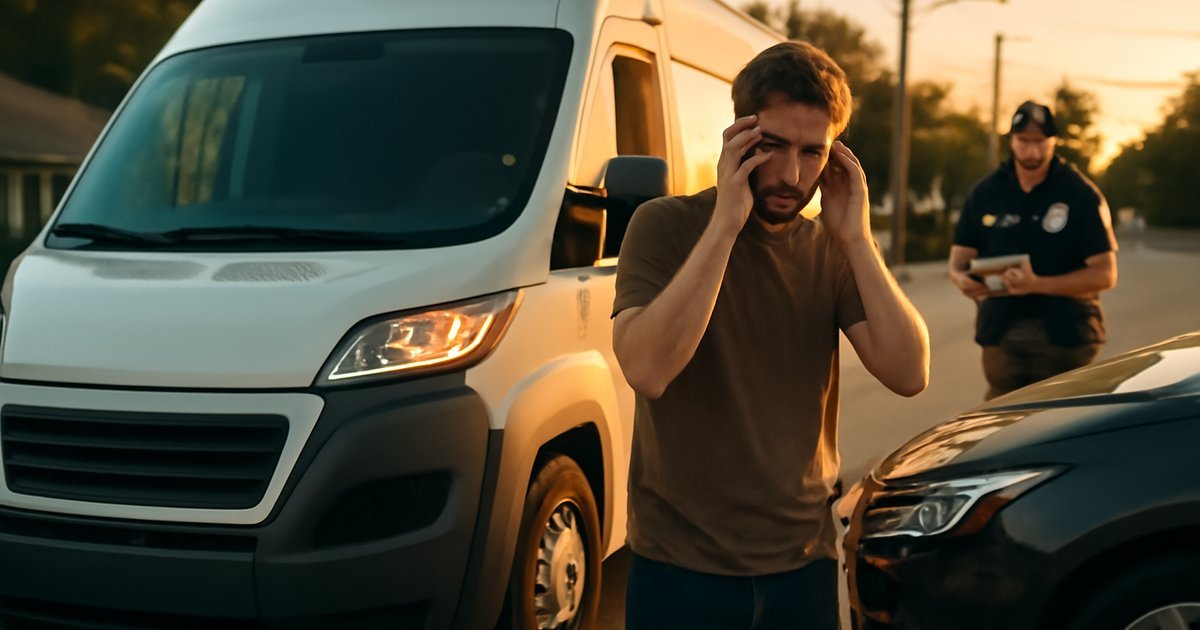
    Imagine one of your employees runs a red light while making a sales call — and seriously injures another driver. Within 48 hours, you receive a letter from a personal injury attorney. The claim? $750,000 in damages, naming your business as the primary defendant.

    This scenario plays out thousands of times each year across the United States. According to the National Safety Council, motor vehicle crashes cost U.S. employers more than $72.2 billion annually — including medical costs, legal fees, lost productivity, and liability settlements.

    If your business owns vehicles, uses employee-driven cars for work purposes, or has staff who run errands on the clock, you have legal exposure you may not fully understand. In this guide, you’ll learn exactly how a car accident lawyer can step in to protect your company, what legal doctrines put your business at risk, how to calculate your true financial exposure, and what steps to take right now to reduce your liability before an accident ever happens.

    This is for educational purposes — consult a licensed financial advisor or attorney for personalized guidance.

    What Is Employer Liability in a Car Accident? How It Works

    When an employee causes a car accident while performing work-related duties, your business can be held legally responsible under a legal doctrine called respondeat superior — Latin for “let the master answer.” Simply put, employers are liable for the negligent acts of their employees when those acts occur within the scope of employment.

    According to the Insurance Information Institute, the average commercial auto liability claim now exceeds $24,000 — and serious injury claims involving litigation regularly reach six or seven figures.

    Here’s what makes your business legally vulnerable:

    • Scope of employment: If your employee was doing anything work-related — driving to a client meeting, picking up supplies, even grabbing lunch during a company errand — courts often find your business liable.
    • Negligent entrustment: If you allowed an employee with a poor driving record or no valid license to drive a company vehicle, you can be held separately liable for negligence in hiring or supervision.
    • Negligent hiring: Failing to run background or motor vehicle record (MVR) checks before putting someone behind the wheel can dramatically increase your legal exposure.
    • Personal vehicles on company business: Even if the car isn’t owned by your company, if your employee was on the clock, your business can still be named in the lawsuit.

    Understanding these distinctions matters enormously when a car accident lawyer begins building — or defending against — a case involving your company.

    Key Benefits of Hiring a Car Accident Lawyer for Your Business

    Many business owners make the mistake of assuming their insurance company’s attorneys are enough. In many cases, they’re not — because the insurance company’s primary obligation is to itself, not to your business’s long-term interests.

    A car accident lawyer who specializes in commercial vehicle cases brings several critical advantages:

    1. Independent Legal Representation

    Your insurer’s counsel defends within the policy limits. If damages exceed those limits — and in serious injury cases, they often do — your personal and business assets can be exposed. Your own attorney protects everything the policy doesn’t cover.

    2. Early Case Evaluation

    An experienced attorney can assess your exposure within days of an accident — before the plaintiff’s attorney has a chance to build momentum. Early intervention often means better outcomes and lower settlement costs.

    3. Preserving Evidence

    Time kills cases. A business car accident lawyer will immediately issue a litigation hold, preserve dashcam footage, telematics data, driver logs, and vehicle maintenance records — all of which can be the difference between winning and losing.

    4. Identifying Coverage Gaps

    Many small businesses don’t realize their general liability policy doesn’t cover auto incidents, or that their commercial auto policy has exclusions for certain driver types. A lawyer can identify these gaps before they become catastrophic surprises.

    According to RAND Corporation research, businesses that retain independent legal counsel in commercial vehicle cases settle for an average of 27% less than those relying solely on insurer-assigned counsel — making the cost of legal fees often more than justified.

    How to Respond Step-by-Step After a Company Vehicle Accident

    The 72 hours after an accident are the most legally critical. Here’s a practical response plan every business owner should have in place before an accident happens:

    1. Ensure safety and call emergency services. Your employee’s first priority is safety. Instruct all drivers never to admit fault at the scene — not even a casual apology.
    2. Document everything immediately. Photos of vehicle positions, damages, road conditions, weather, and any witnesses. If your vehicles have dashcams or GPS telematics, secure that data within hours.
    3. Notify your insurer promptly. Most commercial auto policies require prompt notification. Delays can be used to deny coverage. Report the accident as soon as possible.
    4. Contact a car accident lawyer. Do this before giving any recorded statements to the opposing party’s insurer. What you say in those early conversations can be used against your business in court.
    5. Issue an internal litigation hold. Your attorney will likely request this immediately — it means preserving all emails, driver records, maintenance logs, and vehicle data relevant to the incident.
    6. Review your insurance coverage. Pull your commercial auto policy, umbrella policy, and general liability policy. Identify coverage limits and any applicable exclusions with your attorney’s help.
    7. Audit your driver records and vehicle policies. Even if you weren’t negligent before the accident, demonstrating that you take driver safety seriously can significantly reduce your liability exposure in court.

    For businesses with delivery drivers or field sales teams, you may also want to review our guide on Delivery Driver Accidents: Business Liability & Legal Guide for additional context on managing recurring fleet risk.

    Costs, Fees, and Risks: What a Lawsuit Really Costs Your Business

    Let’s be direct: commercial vehicle accident lawsuits are expensive, even when you win.

    Here’s a realistic breakdown of potential costs:

    • Legal defense fees: $25,000 to $150,000+ for cases that go to trial, depending on complexity and jurisdiction
    • Settlement amounts: Minor injury cases average $10,000–$75,000; serious injury or wrongful death cases can exceed $1 million–$5 million
    • Punitive damages: In cases where negligent hiring or gross negligence is proven, courts can award punitive damages on top of compensatory damages — with no standard cap in many states
    • Business disruption: Court dates, depositions, and document production pull owners and managers away from daily operations for months or years
    • Reputational damage: Public lawsuits — especially those involving injuries — can affect client relationships and employee morale

    If your coverage limits are $500,000 and the judgment is $1.2 million, your business is personally responsible for the $700,000 gap. Without an umbrella policy — which the Insurance Information Institute recommends at a minimum of $1 million in coverage for businesses with company vehicles — that gap could bankrupt a small business.

    If your business is structured as a sole proprietorship, that liability reaches your personal assets. If you’re operating as an LLC or corporation, proper formation and compliance matter — you can learn more about structuring your business correctly in our guide on S Corp vs C Corp: Which Structure Is Right for You?

    Common Mistakes Business Owners Make After a Company Car Accident

    These errors consistently make a bad situation worse — and each one is avoidable:

    Mistake 1: Letting Your Employee Handle It Alone

    When an employee says “don’t worry, I took care of it,” that’s a red flag. Any accident involving a company vehicle is a business legal event, not just a personal matter. You need to be directly involved from the start.

    Mistake 2: Giving a Recorded Statement to the Opposing Insurer

    The other driver’s insurance company will call quickly — and they are not on your side. Anything you say can be used to shift blame to your business. Never give a recorded statement without your attorney present.

    Mistake 3: Assuming Your General Liability Policy Covers Auto Accidents

    This is one of the most dangerous misconceptions in small business insurance. Standard general liability (GL) policies explicitly exclude auto-related incidents. You need a separate commercial auto policy — and potentially a commercial umbrella policy on top of that.

    Mistake 4: Failing to Check Driver Records Before Hiring

    If a driver with three DUIs on their record crashes one of your company vehicles, you’ve just handed the plaintiff’s attorney a negligent entrustment case on a silver platter. Pulling motor vehicle records (MVRs) before hiring and annually thereafter is a non-negotiable risk management step.

    Mistake 5: Delaying Legal Consultation

    Every day without legal counsel is a day your business’s interests are unprotected. Statutes of limitations, evidence preservation windows, and early settlement opportunities all move fast. Most car accident lawyers offer free initial consultations — use them immediately.

    Alternatives to Consider: Other Ways to Protect Your Business

    Hiring a car accident lawyer after an incident is essential, but smart business owners also layer in proactive protections:

    Option 1: Hired and Non-Owned Auto Insurance (HNOA)

    Best for: Businesses that use personal vehicles or rented cars for work, but don’t own a fleet.
    Pros: Affordable, fills the gap between personal auto and commercial coverage.
    Cons: Doesn’t replace a full commercial auto policy for businesses with owned vehicles.

    Option 2: Commercial Umbrella Insurance

    Best for: Any business with company vehicles or employees who drive for work.
    Pros: Provides $1M–$5M in coverage above your base policy limits for relatively low annual premiums (often $1,000–$3,000/year for small businesses).
    Cons: Doesn’t kick in until primary coverage is exhausted — not a substitute for adequate base coverage.

    Option 3: Fleet Management and Telematics Programs

    Best for: Businesses with multiple drivers or vehicles.
    Pros: Real-time GPS tracking, driver behavior scoring, and dashcam footage can dramatically reduce accident rates and provide exculpatory evidence in lawsuits.
    Cons: Upfront technology costs; requires consistent driver training and enforcement to be effective.

    You may also want to review your broader liability coverage strategy — our guide on Employee Injury Lawsuits: What Business Owners Must Know covers additional liability scenarios that often overlap with vehicle incidents.

    Frequently Asked Questions

    Can my business be sued even if the employee was using their personal car?

    Yes. If the employee was performing work-related duties at the time of the accident — even running an errand you requested — your business can be named in the lawsuit under the respondeat superior doctrine. This is why Hired and Non-Owned Auto Insurance (HNOA) is critical for businesses where employees regularly use personal vehicles for work.

    What if the employee was texting or driving recklessly? Does that protect my business?

    Not necessarily. While the employee can face personal liability for gross negligence, courts have repeatedly found that businesses remain liable because they are responsible for who they put behind the wheel and how they supervise them. In fact, reckless behavior by an employee can open the door to punitive damages against your business if it can be shown you had a pattern of ignoring unsafe driving behavior.

    How long do accident victims have to sue my business?

    It varies by state. Most states have a statute of limitations of 2 to 3 years for personal injury claims, though some states allow up to 6 years for certain claims. Wrongful death claims may follow different timelines. This is why preserving evidence immediately after an accident is so critical — don’t wait for the lawsuit to arrive before getting organized.

    What does a car accident lawyer typically charge for business cases?

    If you’re the defendant (being sued), you’ll generally pay an hourly rate — typically $250–$600 per hour for experienced commercial litigation attorneys, depending on your market. Some attorneys offer flat-fee arrangements for specific services like initial case review. If your insurer assigns defense counsel, that cost is typically covered by your policy — but having your own attorney reviewing the strategy independently is worth the additional investment in high-stakes cases.

    Will filing a claim raise my commercial auto insurance premiums?

    Almost certainly, yes. A single at-fault commercial auto claim can raise your premiums by 20–50% at renewal, depending on severity and your insurer’s policies. Repeat incidents can result in policy non-renewal. This is another reason proactive driver screening and fleet safety programs have a measurable financial ROI beyond just legal protection.

    Conclusion: Protect Your Business Before the Next Accident Happens

    Company vehicle accidents are not a matter of if for most businesses with drivers — they’re a matter of when. The businesses that survive these events with minimal financial damage are the ones that had the right coverage in place, responded correctly in the first 72 hours, and retained experienced legal counsel quickly.

    Your action plan starts today: audit your commercial auto and umbrella coverage, implement a formal MVR check policy for all drivers, establish a written accident response protocol, and identify a car accident lawyer who handles commercial cases before you ever need one.

    The cost of a 30-minute legal consultation is nothing compared to the cost of a seven-figure judgment against your business.

    This article is for educational purposes only and does not constitute financial, tax, or legal advice. Always consult a licensed financial advisor, CPA, or attorney before making financial or legal decisions.

  • Delivery Driver Accidents: Business Liability & Legal Guide

    Delivery Driver Accidents: Business Liability & Legal Guide

    One at-fault delivery driver accident can expose your business to six-figure lawsuits — here’s what every business owner must know before it happens.

    When Your Driver Causes an Accident, Your Business May Be on the Hook

    Picture this: one of your delivery drivers runs a red light during the afternoon rush and rear-ends another vehicle. The other driver suffers a herniated disc requiring surgery. Medical bills top $85,000 — and their attorney is now looking at your business, not just your employee, to pay.

    According to the Federal Motor Carrier Safety Administration (FMCSA), commercial vehicles are involved in over 500,000 crashes annually in the United States. And when those vehicles belong to a business — even a small one — the financial and legal consequences can be devastating.

    Whether you run a small e-commerce operation with one delivery van or manage a team of drivers across multiple routes, understanding your legal exposure from delivery driver car accidents is essential. In this guide, you’ll learn how business liability works after a delivery accident, what a car accident lawyer can do for or against your company, what insurance you need, and how to build a legal defense before the first claim ever arrives.

    This article is for educational purposes only and does not constitute financial, tax, or investment advice. Always consult a licensed financial advisor, CPA, or attorney before making financial decisions.

    What Is Employer Liability in Delivery Driver Accidents?

    When a delivery driver causes a car accident while working, the law often applies a legal doctrine called respondeat superior — Latin for "let the master answer." In plain English, this means an employer can be held legally responsible for the negligent actions of an employee acting within the scope of their employment.

    If your driver was making a scheduled delivery at the time of the accident, you’re likely within scope. That makes your business a target for the injured party’s car accident lawyer.

    But liability doesn’t stop there. Courts and plaintiff attorneys also look for negligent hiring or negligent entrustment — meaning you hired a driver with a poor driving record, failed to run a background check, or gave the keys to someone who wasn’t qualified. According to the CFPB and federal employment guidance, negligent hiring claims can significantly increase your exposure above the actual accident damages.

    Key factors that determine your business’s liability include:

    • Was the driver an employee or an independent contractor?
    • Was the driver on company time or using a company vehicle?
    • Did your business have proper policies, training, and background checks in place?
    • Was there any evidence of distracted driving, fatigue, or policy violations?

    The employee vs. contractor distinction matters enormously. Many businesses attempt to classify drivers as independent contractors to limit liability, but courts often "pierce the veil" of that classification if you control their hours, routes, and equipment. Misclassification can backfire legally and expose you to additional penalties.

    The Real Financial Cost of a Delivery Driver Lawsuit

    The numbers are sobering. According to the National Safety Council, the average economic cost of a motor vehicle crash involving an injury is over $155,000. Fatalities average more than $1.7 million per incident when factoring in legal settlements, lost wages, medical costs, and court awards.

    For small business owners, a single serious accident can mean:

    • $50,000–$500,000+ in liability damages depending on injuries
    • $15,000–$50,000 in legal defense costs even if you win
    • Increased insurance premiums that can double or triple after a claim
    • Loss of commercial driving contracts if clients see legal exposure
    • Potential business closure if assets are seized to satisfy a judgment

    The injured party’s car accident lawyer will almost certainly pursue your business entity if there’s any insurance or asset backing. That’s their job — and they’re good at it. Your job is to have the right protections in place before the accident ever happens.

    If you’re also concerned about broader operational disruptions following a major incident, see our guide on Business Interruption Insurance: Complete Guide for SMBs.

    How to Protect Your Business: Step-by-Step Legal and Insurance Strategy

    Protecting your business from delivery driver liability isn’t just about having insurance — it’s about building a layered defense that holds up in court. Here’s a structured approach:

    Step 1: Screen Every Driver Thoroughly Before Hiring

    Run a Motor Vehicle Record (MVR) check on every driver you hire. This pulls their driving history including DUIs, license suspensions, and at-fault accidents. The FMCSA requires MVR checks annually for commercial drivers under federal regulations. Many states have their own requirements as well.

    Also run a standard background check and verify their commercial driver’s license (CDL) if applicable. Document everything — a paper trail showing due diligence can neutralize a negligent hiring claim.

    Step 2: Put Driver Policies in Writing

    Every driver should sign a written policy agreement that prohibits distracted driving, specifies approved driving hours, mandates seatbelt use, and outlines reporting requirements for any accident — no matter how minor. Courts look favorably on employers who had clear, enforced policies in place at the time of an accident.

    Step 3: Get the Right Commercial Auto Insurance

    Personal auto insurance policies typically exclude business use. If one of your drivers causes an accident in a vehicle used for deliveries, a personal policy will likely deny the claim. You need a commercial auto insurance policy that specifically covers delivery operations.

    Minimum recommended coverage for most small delivery operations:

    • $1,000,000 combined single limit per occurrence (higher for larger fleets)
    • Uninsured/underinsured motorist coverage to protect your drivers from other negligent parties
    • Hired and non-owned auto coverage if drivers use personal vehicles for deliveries
    • Medical payments coverage for driver injuries

    For more on how non-owned vehicles create business exposure, see our related article on Client Car Accident Lawsuits: Business Liability Guide.

    Step 4: Use Telematics and GPS Tracking

    Telematics systems — devices that monitor speed, braking, acceleration, and location — serve a dual purpose. They help you correct risky driver behavior before it causes an accident, and they provide data that can exonerate your business if a false or exaggerated claim is filed. According to the Insurance Institute for Highway Safety (IIHS), telematics use has been shown to reduce accident frequency by up to 20% in commercial fleets.

    Step 5: Form the Right Business Entity

    Operating as a sole proprietor means your personal assets — your home, savings, retirement accounts — are on the line in a lawsuit. Forming an LLC or corporation creates a legal separation between business debts and personal assets, though courts can pierce this protection if the business is operated improperly. Consult an attorney to ensure your structure holds up. You can also review our guide on Employee Injury Lawsuits: What Business Owners Must Know for related legal context.

    Step 6: Have a Car Accident Response Protocol

    Train every driver on what to do immediately after an accident: call 911, do not admit fault, document the scene with photos, collect witness information, and notify your company’s designated contact right away. Prompt, proper documentation protects your business’s legal position from the very first minutes after a crash.

    Costs, Fees, and Risks You Must Understand

    Many business owners underestimate the true cost of delivery driver liability exposure. Here’s a realistic breakdown:

    Commercial auto insurance: For a small business with 1–5 delivery vehicles, expect $3,000–$8,000 per vehicle per year, depending on your state, drivers’ records, and coverage limits. Businesses with poor claims history or high-risk routes pay significantly more.

    Legal defense costs: Even if your business is not found liable, defending a lawsuit through depositions, discovery, and trial can cost $25,000–$75,000 in attorney fees. Most commercial policies include a legal defense provision, but you need to verify this with your insurer.

    Settlement costs: According to data from Jury Verdict Research, the median jury verdict in vehicle accident cases involving commercial vehicles is significantly higher than those involving private vehicles. Juries tend to hold businesses to a higher standard of responsibility.

    Regulatory penalties: If your drivers operate under FMCSA regulations (vehicles over 10,001 lbs., or crossing state lines), violations can result in fines of $10,000–$25,000 per infraction and potential shutdown orders.

    The hidden risk of underinsurance: Many small businesses carry state minimum auto liability limits — often $25,000–$50,000. A serious injury claim can easily exceed that by ten times. The gap comes directly out of your business and potentially personal assets.

    Common Mistakes Business Owners Make After a Delivery Accident

    Mistake #1: Assuming the driver’s personal insurance will cover it. Personal auto policies almost universally exclude commercial delivery activity. If your driver was making deliveries for your business at the time of the crash, their insurer will likely deny the claim — and the injured party’s attorney will turn directly to your business.

    Mistake #2: Talking too much before consulting a lawyer. After an accident, business owners sometimes make statements to the other party, the police, or even their own insurer that inadvertently admit liability. Always get your own attorney involved before giving recorded statements, even to your own insurance company.

    Mistake #3: Misclassifying employees as contractors to avoid liability. Courts look at the reality of the working relationship, not just the label on a contract. If you control where, when, and how a driver works, they may legally be an employee regardless of what the contract says. Misclassification exposes you to back taxes, penalties from the IRS, and increased civil liability.

    Mistake #4: Failing to document driver training and safety policies. Even if you do everything right, you need documentation to prove it. Courts evaluate what you did, not just what you intended. Keep signed driver agreements, training logs, and MVR check records on file for at least seven years.

    Mistake #5: Not reporting the accident to your insurer immediately. Most commercial auto policies require prompt notification after any accident. Delays can result in claim denial. Even if you think the damage is minor and want to "handle it out of pocket," report first and decide later.

    Alternatives to Direct Employee Delivery Drivers

    If managing driver liability feels like more risk than your business can handle, there are alternatives worth evaluating:

    Third-Party Delivery Services (DoorDash Drive, Uber Eats for Business, etc.): Using a contracted third-party delivery platform shifts much of the accident liability to them and their insurance. The tradeoff is higher per-delivery cost and less control over the customer experience. For businesses with lower delivery volumes, this can be cost-effective.

    Freight Brokers and Logistics Companies: For product-based businesses shipping larger quantities, working with an established logistics company transfers much of the transit liability. Their commercial carrier insurance is typically robust, and contracts define liability allocation clearly.

    Dedicated Delivery Fleet Service (White-Label): Some markets have regional delivery companies that operate branded deliveries for local businesses under their own insurance. This is a middle ground that maintains brand presence while reducing direct liability.

    Each alternative has tradeoffs in cost, control, and brand consistency. Depending on your delivery volume, market, and risk tolerance, one of these may offer better risk-adjusted economics than managing your own drivers directly.

    Frequently Asked Questions

    Q: Can an injured person sue my business directly even if my driver was at fault, not me personally?
    Yes. Under respondeat superior doctrine, businesses are routinely named as defendants in accidents caused by their employees during work hours. In many cases, the business is the primary target because it has more assets and higher insurance limits than the individual driver.

    Q: What if my driver was on the way to a delivery but not yet there — am I still liable?
    Generally speaking, courts look at whether the driver was acting in the "course and scope of employment." In most cases, driving to a delivery location qualifies. However, a purely personal detour (called a "frolic" in legal terms) may break the chain of liability. This is highly fact-specific — consult a business attorney for your situation.

    Q: How much commercial auto insurance do I actually need for delivery drivers?
    At minimum, most experts recommend $1 million per occurrence for any business with delivery drivers. If you operate larger vehicles or have multiple drivers, consider $2 million or higher, or add a commercial umbrella policy. Your specific exposure depends on vehicle size, cargo type, and driving geography.

    Q: Does a business LLC actually protect my personal assets in a delivery accident lawsuit?
    An LLC provides a legal barrier between business and personal assets — but it’s not bulletproof. If the LLC is not properly maintained (separate bank accounts, annual filings, no commingling of funds), a court can "pierce the corporate veil" and hold you personally liable. Proper formation and maintenance matter enormously.

    Q: What should I do in the first 24 hours after one of my drivers has an accident?
    Notify your commercial auto insurer immediately. Instruct your driver not to admit fault. Preserve all evidence — photos, dashcam footage, telematics data. Contact a business attorney before giving any recorded statements. Document the driver’s working status at the time of the accident (route assignment, clock-in records, dispatch logs).

    Conclusion: Don’t Wait for the Lawsuit to Act

    Delivery driver car accidents are a foreseeable business risk — which means the law will hold you to a standard of preparation. The businesses that survive these events are the ones that had the right insurance coverage, vetted their drivers properly, documented their policies, and had legal counsel in their corner before the first claim arrived.

    Start by reviewing your current commercial auto coverage limits, pulling MVRs on all active drivers, and putting a signed driver policy agreement in every employee file. If you’re not sure whether your current business structure adequately protects your personal assets, schedule a consultation with a business attorney who handles commercial liability.

    The cost of preparation is a fraction of the cost of litigation. Take action now, before a single accident changes everything.

    Financial Disclaimer: This article is for educational purposes only and does not constitute financial, tax, or investment advice. Always consult a licensed financial advisor, CPA, or attorney before making financial decisions.

  • Employee Injury Lawsuits: What Business Owners Must Know

    Employee Injury Lawsuits: What Business Owners Must Know

    A single workplace injury lawsuit can cost a small business owner $40,000 or more in legal fees, settlements, and lost productivity — even when workers’ comp is in place.

    Introduction

    According to the National Safety Council, a preventable workplace injury costs an employer an average of $42,000 in direct costs alone — and that number climbs fast when you add litigation. For small business owners, one serious employee injury claim can be the difference between staying open and closing your doors.

    Most business owners assume that carrying workers’ compensation insurance means they’re fully protected. That assumption can be dangerously wrong. In certain situations, injured employees — or their families — can bypass the workers’ comp system entirely and file a personal injury lawsuit directly against your business.

    In this guide, you’ll learn exactly when an employee can sue your business for a workplace injury, what a personal injury lawyer on the other side will argue, how much these cases typically cost, and what steps you can take right now to reduce your legal exposure. Whether you run a construction company, a restaurant, a retail store, or a professional services firm, this information could save your business.


    How Workers’ Comp Works — and Where It Falls Short

    Workers’ compensation is a state-mandated insurance system that pays for an injured employee’s medical bills and a portion of lost wages — regardless of who caused the accident. In exchange, employees generally give up their right to sue the employer for negligence. This is called the exclusive remedy doctrine.

    Sounds bulletproof, right? Not quite.

    According to the Insurance Information Institute, workers’ compensation covers the vast majority of workplace injury claims. But there are several significant exceptions where an employee — or their personal injury lawyer — can step outside the workers’ comp system and pursue your business directly in civil court.

    These exceptions vary by state, but generally speaking, they include:

    • Intentional acts: If you or a manager deliberately caused harm or created a dangerous condition with near-certain knowledge that injury would result, courts may allow a civil lawsuit.
    • Employer fraud: If you misrepresented the workplace environment, covered up hazards, or intentionally withheld safety information.
    • Dual capacity doctrine: If your business also functions as a product manufacturer and an employee is injured by a defective product you made, they may sue you in both capacities.
    • Lack of workers’ comp coverage: If you’re required to carry workers’ comp but don’t, employees can typically sue you directly — and many states impose steep penalties on top of that.
    • Third-party liability: If a subcontractor, equipment manufacturer, or another vendor contributed to the injury, that third party can be sued — and sometimes, so can you.

    For business owners in states like California, New York, Texas (which doesn’t require workers’ comp for most private employers), and Florida, understanding these exceptions is not optional — it’s essential.


    What a Personal Injury Lawyer Will Argue Against Your Business

    When an injured employee hires a personal injury attorney, that lawyer’s job is to find every available legal theory to maximize recovery for their client. Here’s what you need to know about how these cases are built.

    Negligence Is the Core Claim

    In most civil injury cases, the injured worker’s attorney will argue that your business was negligent — meaning you had a duty to provide a reasonably safe workplace, you breached that duty, and that breach directly caused the injury and resulting damages.

    The plaintiff’s attorney will look for evidence such as:

    • Prior OSHA complaints or citations at your business
    • Witness statements from other employees about known hazards
    • Failure to provide required safety training or personal protective equipment (PPE)
    • Internal emails or memos showing management was aware of a danger and ignored it
    • Maintenance records showing equipment was overdue for inspection

    According to OSHA, in 2024, the agency conducted over 35,000 workplace inspections and issued citations in roughly 70% of them. If your business has prior OSHA violations, those records are discoverable in litigation and can be devastating to your defense.

    Gross Negligence and Punitive Damages

    If a personal injury lawyer can demonstrate that your conduct was reckless — not just careless — they may pursue punitive damages on top of compensatory damages. Punitive damages are designed to punish particularly egregious behavior. In some states, these awards can be two to three times the amount of actual damages. This is not theoretical: courts have awarded millions in punitive damages against employers who knowingly ignored documented safety hazards.

    Third-Party Claims and Contribution

    Even if workers’ comp covers the employee’s initial claim, your business may still be named in a third-party lawsuit. For example, if a subcontractor on your job site is injured by faulty equipment your company provided, you could face liability even if the worker is technically employed by someone else. For more on how premises-related injuries work, see our guide on premises liability for business owners.


    How Much Does an Employee Injury Lawsuit Actually Cost a Business?

    Let’s be specific, because the numbers matter.

    The average workers’ comp claim costs approximately $42,000 according to the National Safety Council’s 2025 data. But when a case escapes the workers’ comp system and becomes a civil personal injury lawsuit, the costs multiply significantly.

    Here’s a realistic breakdown for a small business facing a contested employee injury lawsuit:

    • Defense attorney fees: $15,000–$75,000 depending on complexity and duration
    • Expert witness fees: $5,000–$30,000 (medical experts, safety consultants, vocational experts)
    • Settlement costs: $50,000–$500,000+ for serious injuries like spinal cord damage, traumatic brain injury, or fatalities
    • Increased insurance premiums: A single major claim can raise your premiums 20–40% for three to five years
    • Lost productivity: Management time spent on depositions, document gathering, and court appearances
    • Reputational costs: Difficulty recruiting employees or retaining clients if the lawsuit becomes public

    And here’s the uncomfortable truth: most commercial general liability policies do NOT cover employee injury claims. That’s what workers’ comp is for — but only within its limits. If you’re underinsured or missing coverage, you may be paying out of pocket.

    For a comprehensive look at what commercial liability covers, review our breakdown of commercial property insurance for small businesses.


    Step-by-Step: What to Do If an Employee Is Injured at Your Business

    How you respond in the first 24–72 hours after a workplace injury can significantly shape your legal exposure. Here’s what to do — and what not to do.

    1. Ensure immediate medical attention. Your first obligation is the injured worker’s wellbeing. Call 911 if necessary. Do not delay medical care for any administrative reason.
    2. Document the scene immediately. Photograph the area, equipment involved, and any environmental conditions. Preserve any surveillance footage. Do this before anything is cleaned up or moved.
    3. Take witness statements. Identify coworkers who saw what happened and write down their accounts while memories are fresh. Get their contact information.
    4. File an incident report. Create a detailed internal incident report within 24 hours. Be factual — do not speculate about fault, and do not admit liability.
    5. Notify your workers’ comp insurer immediately. Most policies require prompt notification. Delays can create coverage disputes. Report the claim the same day if possible.
    6. Contact your business attorney. Even if you believe the situation is straightforward, loop in legal counsel early. If the injury is serious — broken bones, hospitalization, permanent disability, or death — call a business attorney before speaking to the injured employee or their family about the incident details.
    7. Do NOT discuss fault internally via email or text. Discovery in litigation means the opposing lawyer can subpoena your communications. Avoid casual internal discussions about what went wrong until you have legal guidance.
    8. Cooperate with OSHA if they investigate. Serious injuries and fatalities often trigger mandatory OSHA reporting within 8–24 hours, depending on severity. Failure to report is a separate violation that can increase your legal exposure.

    Common Mistakes Business Owners Make After an Employee Injury

    Experience from employment attorneys and risk managers reveals the same costly errors appearing in case after case. Here are the ones most likely to hurt you.

    Mistake 1: Assuming Workers’ Comp Covers Everything

    As outlined above, workers’ comp has real limits. If you operate in Texas, where private employers can opt out of the workers’ comp system, or if you’ve failed to maintain proper coverage, you could face uncapped civil liability. Verify your coverage annually with your insurance broker.

    Mistake 2: Retaliating Against the Injured Employee

    Federal and state laws prohibit retaliating against workers who file injury claims. Firing, demoting, cutting hours, or creating a hostile environment for an injured employee can transform a workers’ comp claim into a wrongful termination lawsuit — doubling your legal exposure instantly.

    Mistake 3: Failing to Maintain Safety Documentation

    Many business owners skip formal safety training logs, equipment maintenance records, and written safety policies because they feel bureaucratic. In litigation, the absence of these records is treated as evidence that no safety practices existed. OSHA’s recordkeeping requirements exist precisely because documentation protects everyone — including you.

    Mistake 4: Settling Too Quickly Without Legal Counsel

    An injured employee or their attorney may approach you early with a settlement offer. Agreeing to a payment without proper legal counsel can inadvertently waive rights, fail to account for future medical costs, or create admissions of liability that affect other claims. Always consult a business attorney before signing any release.

    Mistake 5: Underreporting to Your Insurance Carrier

    Some business owners downplay incidents to their insurer to avoid premium increases. This is a serious error. Underreporting can void your coverage on the very claim you were trying to protect, leaving you personally exposed.


    Alternatives and Complementary Protections to Consider

    Workers’ compensation is your first line of defense, but it shouldn’t be your only one. Here are three additional layers of protection worth discussing with your insurance broker and attorney.

    1. Employers’ Liability Insurance (Part 2 of Workers’ Comp)

    Most workers’ comp policies include a second section called Employers’ Liability Insurance, which covers civil lawsuits filed by employees in situations where the exclusive remedy doctrine doesn’t apply. Coverage limits are typically $100,000–$500,000 per occurrence, but you can purchase higher limits. This is often overlooked, and many business owners don’t know they have — or lack — this coverage.

    2. Umbrella Liability Policy

    A commercial umbrella policy provides excess liability coverage above your underlying workers’ comp, general liability, and auto policies. For a small business with several employees, a $1 million to $5 million umbrella policy typically costs $1,000–$3,000 per year — a relatively small premium for the additional protection layer it provides.

    3. Formal Safety and Compliance Program

    This isn’t insurance — it’s prevention. Businesses with documented safety programs, regular training, and OSHA-compliant protocols experience significantly fewer injuries and, when injuries do occur, are in a far stronger legal position. Pair this with a relationship with an employment attorney who reviews your safety documentation annually.

    Also consider how your overall business legal structure affects your personal liability. Our guide on product liability claims against small businesses covers related civil exposure in more detail.


    Frequently Asked Questions

    Can an employee sue me personally, or only my business?

    In most cases, a lawsuit is filed against the business entity. However, if you operate as a sole proprietor without an LLC or corporation, your personal assets are at risk. Even with an LLC, courts can sometimes pierce the corporate veil if you commingled funds or engaged in fraud. Maintaining proper business structure and separate finances is critical.

    What if the injured employee was partly at fault?

    In a workers’ comp claim, employee fault generally doesn’t matter — the system is no-fault. In a civil lawsuit, most states apply comparative negligence rules, meaning the employee’s own negligence reduces their recovery by their percentage of fault. Your attorney will argue comparative fault as a defense strategy in civil cases.

    Do I need to carry workers’ comp if I only have one or two employees?

    It depends on your state. Most states require workers’ comp for any business with one or more employees, though thresholds vary. Texas is the notable exception, allowing private employers to opt out — but doing so exposes you to uncapped civil lawsuits without the exclusive remedy protection. Check your state labor department’s requirements immediately if you’re unsure.

    How long does an employee have to file a lawsuit after a workplace injury?

    The statute of limitations varies by state and claim type. Generally speaking, personal injury claims must be filed within 2–3 years of the injury date in most states. Workers’ comp claims have separate, often shorter deadlines — sometimes as little as 30–90 days to report the injury to your employer. Missing deadlines can bar a claim entirely, which is why injured employees are advised to consult a personal injury lawyer quickly.

    What’s the difference between workers’ comp fraud and a legitimate claim?

    Legitimate claims arise from genuine workplace injuries, even disputed ones. Fraud involves false or exaggerated claims — for example, reporting an off-the-job injury as work-related. If you suspect fraud, report it to your insurer’s Special Investigations Unit (SIU) immediately. Do not investigate independently, confront the employee, or take disciplinary action before consulting legal counsel, as doing so incorrectly can create new liability.


    Conclusion: Protect Your Business Before the Injury Happens

    Workplace injury lawsuits are one of the most underestimated financial threats facing small business owners in the United States. The workers’ comp system provides critical protection, but it is not a complete shield — and a single serious claim that escapes those protections can cost your business hundreds of thousands of dollars.

    The most effective strategy is prevention paired with proper coverage. That means maintaining a documented safety program, verifying your workers’ comp policy includes employers’ liability coverage, carrying a commercial umbrella policy, and having a business attorney review your legal exposure at least once a year.

    If an injury has already occurred at your business, do not wait. Consult a licensed business attorney and your insurance carrier immediately. The decisions you make in the first 48 hours will shape everything that follows.

    This article is for educational purposes only and does not constitute financial, legal, tax, or investment advice. Always consult a licensed attorney, CPA, or financial advisor before making decisions related to your business.