Tag: business legal protection

  • Delivery Driver Accidents: Business Liability & Legal Guide

    Delivery Driver Accidents: Business Liability & Legal Guide

    One at-fault delivery driver accident can expose your business to six-figure lawsuits — here’s what every business owner must know before it happens.

    When Your Driver Causes an Accident, Your Business May Be on the Hook

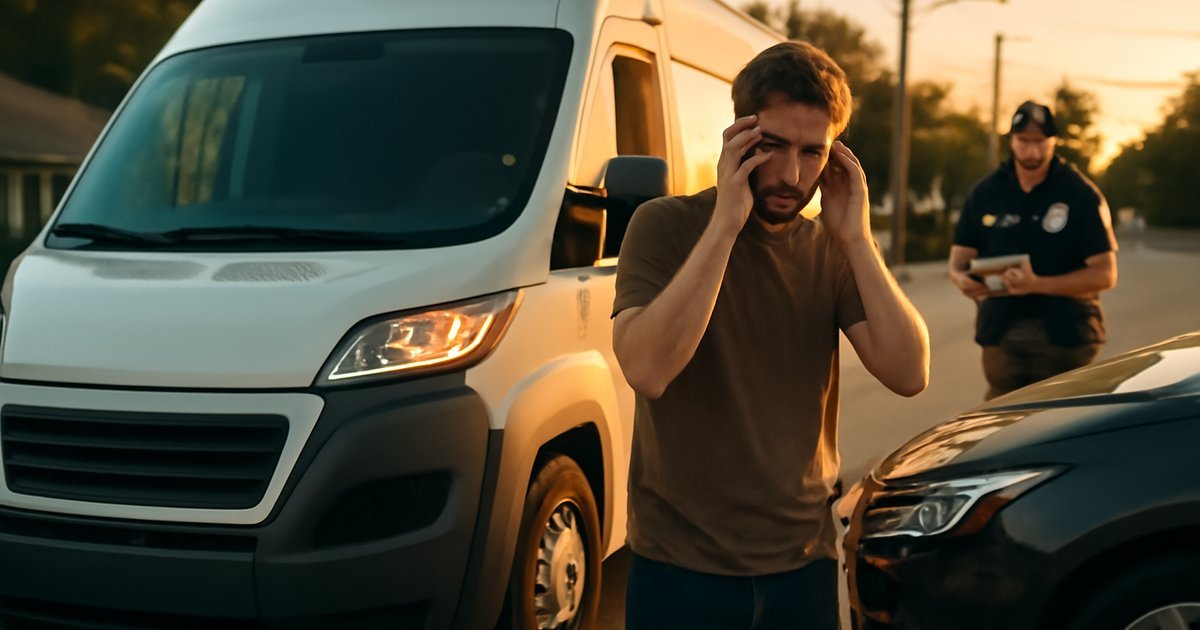
    Picture this: one of your delivery drivers runs a red light during the afternoon rush and rear-ends another vehicle. The other driver suffers a herniated disc requiring surgery. Medical bills top $85,000 — and their attorney is now looking at your business, not just your employee, to pay.

    According to the Federal Motor Carrier Safety Administration (FMCSA), commercial vehicles are involved in over 500,000 crashes annually in the United States. And when those vehicles belong to a business — even a small one — the financial and legal consequences can be devastating.

    Whether you run a small e-commerce operation with one delivery van or manage a team of drivers across multiple routes, understanding your legal exposure from delivery driver car accidents is essential. In this guide, you’ll learn how business liability works after a delivery accident, what a car accident lawyer can do for or against your company, what insurance you need, and how to build a legal defense before the first claim ever arrives.

    This article is for educational purposes only and does not constitute financial, tax, or investment advice. Always consult a licensed financial advisor, CPA, or attorney before making financial decisions.

    What Is Employer Liability in Delivery Driver Accidents?

    When a delivery driver causes a car accident while working, the law often applies a legal doctrine called respondeat superior — Latin for "let the master answer." In plain English, this means an employer can be held legally responsible for the negligent actions of an employee acting within the scope of their employment.

    If your driver was making a scheduled delivery at the time of the accident, you’re likely within scope. That makes your business a target for the injured party’s car accident lawyer.

    But liability doesn’t stop there. Courts and plaintiff attorneys also look for negligent hiring or negligent entrustment — meaning you hired a driver with a poor driving record, failed to run a background check, or gave the keys to someone who wasn’t qualified. According to the CFPB and federal employment guidance, negligent hiring claims can significantly increase your exposure above the actual accident damages.

    Key factors that determine your business’s liability include:

    • Was the driver an employee or an independent contractor?
    • Was the driver on company time or using a company vehicle?
    • Did your business have proper policies, training, and background checks in place?
    • Was there any evidence of distracted driving, fatigue, or policy violations?

    The employee vs. contractor distinction matters enormously. Many businesses attempt to classify drivers as independent contractors to limit liability, but courts often "pierce the veil" of that classification if you control their hours, routes, and equipment. Misclassification can backfire legally and expose you to additional penalties.

    The Real Financial Cost of a Delivery Driver Lawsuit

    The numbers are sobering. According to the National Safety Council, the average economic cost of a motor vehicle crash involving an injury is over $155,000. Fatalities average more than $1.7 million per incident when factoring in legal settlements, lost wages, medical costs, and court awards.

    For small business owners, a single serious accident can mean:

    • $50,000–$500,000+ in liability damages depending on injuries
    • $15,000–$50,000 in legal defense costs even if you win
    • Increased insurance premiums that can double or triple after a claim
    • Loss of commercial driving contracts if clients see legal exposure
    • Potential business closure if assets are seized to satisfy a judgment

    The injured party’s car accident lawyer will almost certainly pursue your business entity if there’s any insurance or asset backing. That’s their job — and they’re good at it. Your job is to have the right protections in place before the accident ever happens.

    If you’re also concerned about broader operational disruptions following a major incident, see our guide on Business Interruption Insurance: Complete Guide for SMBs.

    How to Protect Your Business: Step-by-Step Legal and Insurance Strategy

    Protecting your business from delivery driver liability isn’t just about having insurance — it’s about building a layered defense that holds up in court. Here’s a structured approach:

    Step 1: Screen Every Driver Thoroughly Before Hiring

    Run a Motor Vehicle Record (MVR) check on every driver you hire. This pulls their driving history including DUIs, license suspensions, and at-fault accidents. The FMCSA requires MVR checks annually for commercial drivers under federal regulations. Many states have their own requirements as well.

    Also run a standard background check and verify their commercial driver’s license (CDL) if applicable. Document everything — a paper trail showing due diligence can neutralize a negligent hiring claim.

    Step 2: Put Driver Policies in Writing

    Every driver should sign a written policy agreement that prohibits distracted driving, specifies approved driving hours, mandates seatbelt use, and outlines reporting requirements for any accident — no matter how minor. Courts look favorably on employers who had clear, enforced policies in place at the time of an accident.

    Step 3: Get the Right Commercial Auto Insurance

    Personal auto insurance policies typically exclude business use. If one of your drivers causes an accident in a vehicle used for deliveries, a personal policy will likely deny the claim. You need a commercial auto insurance policy that specifically covers delivery operations.

    Minimum recommended coverage for most small delivery operations:

    • $1,000,000 combined single limit per occurrence (higher for larger fleets)
    • Uninsured/underinsured motorist coverage to protect your drivers from other negligent parties
    • Hired and non-owned auto coverage if drivers use personal vehicles for deliveries
    • Medical payments coverage for driver injuries

    For more on how non-owned vehicles create business exposure, see our related article on Client Car Accident Lawsuits: Business Liability Guide.

    Step 4: Use Telematics and GPS Tracking

    Telematics systems — devices that monitor speed, braking, acceleration, and location — serve a dual purpose. They help you correct risky driver behavior before it causes an accident, and they provide data that can exonerate your business if a false or exaggerated claim is filed. According to the Insurance Institute for Highway Safety (IIHS), telematics use has been shown to reduce accident frequency by up to 20% in commercial fleets.

    Step 5: Form the Right Business Entity

    Operating as a sole proprietor means your personal assets — your home, savings, retirement accounts — are on the line in a lawsuit. Forming an LLC or corporation creates a legal separation between business debts and personal assets, though courts can pierce this protection if the business is operated improperly. Consult an attorney to ensure your structure holds up. You can also review our guide on Employee Injury Lawsuits: What Business Owners Must Know for related legal context.

    Step 6: Have a Car Accident Response Protocol

    Train every driver on what to do immediately after an accident: call 911, do not admit fault, document the scene with photos, collect witness information, and notify your company’s designated contact right away. Prompt, proper documentation protects your business’s legal position from the very first minutes after a crash.

    Costs, Fees, and Risks You Must Understand

    Many business owners underestimate the true cost of delivery driver liability exposure. Here’s a realistic breakdown:

    Commercial auto insurance: For a small business with 1–5 delivery vehicles, expect $3,000–$8,000 per vehicle per year, depending on your state, drivers’ records, and coverage limits. Businesses with poor claims history or high-risk routes pay significantly more.

    Legal defense costs: Even if your business is not found liable, defending a lawsuit through depositions, discovery, and trial can cost $25,000–$75,000 in attorney fees. Most commercial policies include a legal defense provision, but you need to verify this with your insurer.

    Settlement costs: According to data from Jury Verdict Research, the median jury verdict in vehicle accident cases involving commercial vehicles is significantly higher than those involving private vehicles. Juries tend to hold businesses to a higher standard of responsibility.

    Regulatory penalties: If your drivers operate under FMCSA regulations (vehicles over 10,001 lbs., or crossing state lines), violations can result in fines of $10,000–$25,000 per infraction and potential shutdown orders.

    The hidden risk of underinsurance: Many small businesses carry state minimum auto liability limits — often $25,000–$50,000. A serious injury claim can easily exceed that by ten times. The gap comes directly out of your business and potentially personal assets.

    Common Mistakes Business Owners Make After a Delivery Accident

    Mistake #1: Assuming the driver’s personal insurance will cover it. Personal auto policies almost universally exclude commercial delivery activity. If your driver was making deliveries for your business at the time of the crash, their insurer will likely deny the claim — and the injured party’s attorney will turn directly to your business.

    Mistake #2: Talking too much before consulting a lawyer. After an accident, business owners sometimes make statements to the other party, the police, or even their own insurer that inadvertently admit liability. Always get your own attorney involved before giving recorded statements, even to your own insurance company.

    Mistake #3: Misclassifying employees as contractors to avoid liability. Courts look at the reality of the working relationship, not just the label on a contract. If you control where, when, and how a driver works, they may legally be an employee regardless of what the contract says. Misclassification exposes you to back taxes, penalties from the IRS, and increased civil liability.

    Mistake #4: Failing to document driver training and safety policies. Even if you do everything right, you need documentation to prove it. Courts evaluate what you did, not just what you intended. Keep signed driver agreements, training logs, and MVR check records on file for at least seven years.

    Mistake #5: Not reporting the accident to your insurer immediately. Most commercial auto policies require prompt notification after any accident. Delays can result in claim denial. Even if you think the damage is minor and want to "handle it out of pocket," report first and decide later.

    Alternatives to Direct Employee Delivery Drivers

    If managing driver liability feels like more risk than your business can handle, there are alternatives worth evaluating:

    Third-Party Delivery Services (DoorDash Drive, Uber Eats for Business, etc.): Using a contracted third-party delivery platform shifts much of the accident liability to them and their insurance. The tradeoff is higher per-delivery cost and less control over the customer experience. For businesses with lower delivery volumes, this can be cost-effective.

    Freight Brokers and Logistics Companies: For product-based businesses shipping larger quantities, working with an established logistics company transfers much of the transit liability. Their commercial carrier insurance is typically robust, and contracts define liability allocation clearly.

    Dedicated Delivery Fleet Service (White-Label): Some markets have regional delivery companies that operate branded deliveries for local businesses under their own insurance. This is a middle ground that maintains brand presence while reducing direct liability.

    Each alternative has tradeoffs in cost, control, and brand consistency. Depending on your delivery volume, market, and risk tolerance, one of these may offer better risk-adjusted economics than managing your own drivers directly.

    Frequently Asked Questions

    Q: Can an injured person sue my business directly even if my driver was at fault, not me personally?
    Yes. Under respondeat superior doctrine, businesses are routinely named as defendants in accidents caused by their employees during work hours. In many cases, the business is the primary target because it has more assets and higher insurance limits than the individual driver.

    Q: What if my driver was on the way to a delivery but not yet there — am I still liable?
    Generally speaking, courts look at whether the driver was acting in the "course and scope of employment." In most cases, driving to a delivery location qualifies. However, a purely personal detour (called a "frolic" in legal terms) may break the chain of liability. This is highly fact-specific — consult a business attorney for your situation.

    Q: How much commercial auto insurance do I actually need for delivery drivers?
    At minimum, most experts recommend $1 million per occurrence for any business with delivery drivers. If you operate larger vehicles or have multiple drivers, consider $2 million or higher, or add a commercial umbrella policy. Your specific exposure depends on vehicle size, cargo type, and driving geography.

    Q: Does a business LLC actually protect my personal assets in a delivery accident lawsuit?
    An LLC provides a legal barrier between business and personal assets — but it’s not bulletproof. If the LLC is not properly maintained (separate bank accounts, annual filings, no commingling of funds), a court can "pierce the corporate veil" and hold you personally liable. Proper formation and maintenance matter enormously.

    Q: What should I do in the first 24 hours after one of my drivers has an accident?
    Notify your commercial auto insurer immediately. Instruct your driver not to admit fault. Preserve all evidence — photos, dashcam footage, telematics data. Contact a business attorney before giving any recorded statements. Document the driver’s working status at the time of the accident (route assignment, clock-in records, dispatch logs).

    Conclusion: Don’t Wait for the Lawsuit to Act

    Delivery driver car accidents are a foreseeable business risk — which means the law will hold you to a standard of preparation. The businesses that survive these events are the ones that had the right insurance coverage, vetted their drivers properly, documented their policies, and had legal counsel in their corner before the first claim arrived.

    Start by reviewing your current commercial auto coverage limits, pulling MVRs on all active drivers, and putting a signed driver policy agreement in every employee file. If you’re not sure whether your current business structure adequately protects your personal assets, schedule a consultation with a business attorney who handles commercial liability.

    The cost of preparation is a fraction of the cost of litigation. Take action now, before a single accident changes everything.

    Financial Disclaimer: This article is for educational purposes only and does not constitute financial, tax, or investment advice. Always consult a licensed financial advisor, CPA, or attorney before making financial decisions.

  • Slip and Fall at Your Business: What a PI Lawyer Knows

    Slip and Fall at Your Business: What a PI Lawyer Knows

    Slip and fall claims cost U.S. businesses over $70 billion annually — and one incident at your location could put everything you’ve built at risk.

    Why Slip and Fall Claims Are a Serious Business Threat

    Picture this: a customer walks into your retail store on a rainy Tuesday morning, slips on a wet floor near the entrance, and lands hard on their wrist. Within 48 hours, you receive a letter from a personal injury lawyer. Within six months, you’re facing a lawsuit demanding $250,000 in damages.

    This isn’t a rare scenario. According to the National Floor Safety Institute, slip and fall accidents account for over 1 million emergency room visits each year in the United States — and a significant portion of those incidents happen on commercial property.

    If you own a small business, a restaurant, a retail shop, or even a professional office, you are legally responsible for maintaining a reasonably safe environment for anyone who enters your premises. When you fail to meet that standard, a personal injury lawyer can build a case against you — and the financial consequences can be devastating.

    In this guide, you’ll learn exactly how slip and fall liability works, what personal injury attorneys look for when building a case, how to defend your business, and what proactive steps can reduce your legal exposure before an accident ever happens.


    What Is Premises Liability and How Does It Apply to Your Business?

    Premises liability is the area of law that holds property owners and occupiers legally responsible for injuries that occur on their property due to unsafe conditions. When a customer, vendor, or visitor is injured on your business premises, premises liability law determines whether you can be held financially responsible.

    In the U.S., courts generally evaluate slip and fall claims based on the concept of negligence. To win a case against your business, a personal injury attorney typically must prove four elements:

    1. Duty of care: You had a legal obligation to keep the premises safe for visitors.
    2. Breach of duty: You failed to uphold that obligation (e.g., a wet floor with no warning sign).
    3. Causation: That failure directly caused the injury.
    4. Damages: The injured party suffered real, quantifiable harm — medical bills, lost wages, pain and suffering.

    According to the Insurance Information Institute, the average slip and fall settlement for a serious injury can range from $15,000 to over $75,000, with severe cases — involving broken bones, spinal injuries, or traumatic brain injuries — reaching six figures or more.

    Understanding this framework is the first step in protecting your business.


    What a Personal Injury Lawyer Looks For at Your Business

    When a personal injury attorney takes on a slip and fall case against a business, they conduct a detailed investigation designed to uncover every piece of evidence that supports their client’s claim. Knowing what they’re looking for gives you a critical advantage in prevention and defense.

    Here are the key factors personal injury lawyers examine:

    1. Physical Evidence at the Scene

    Attorneys or their investigators will look for photographs of the hazard, the location of warning signs (or lack thereof), and the physical condition of the floor, walkway, or entryway. Surveillance footage is often the single most important piece of evidence in these cases.

    2. Maintenance and Inspection Records

    One of the first things a plaintiff’s attorney will request in discovery is your maintenance logs. Did your staff inspect the premises regularly? When was the floor last cleaned or repaired? If you can’t produce records showing routine inspections, that gap becomes powerful evidence of negligence.

    3. Employee Testimony

    Personal injury lawyers will want to depose your employees. Were they aware of the hazard? How long had it existed before the accident? A staff member who casually admits “yeah, that spot has been wet for hours” can significantly damage your defense.

    4. Prior Complaints or Incidents

    If your business had previous complaints about the same hazard — or prior accidents in the same location — an attorney will use that history to argue that you had actual notice of the danger and failed to act.

    According to OSHA, falls are among the leading causes of workplace and premises injuries in the U.S., and courts consistently hold businesses to a higher standard when prior knowledge of a hazard can be demonstrated.


    How to Protect Your Business Before an Accident Happens

    The best legal defense is prevention. Personal injury lawyers are far less effective when the business they’re targeting has followed documented safety protocols. Here’s a step-by-step approach to reducing your legal exposure:

    Step 1: Conduct Regular Premises Inspections

    Establish a written schedule for inspecting all high-risk areas: entrances, bathrooms, stairwells, parking lots, and kitchen areas. Inspections should happen at minimum once per shift, and every inspection should be logged with the date, time, employee name, and any findings.

    Step 2: Address Hazards Immediately

    When a hazard is identified — a wet floor, broken tile, loose railing — it must be addressed immediately. If immediate repair isn’t possible, cordon off the area and place clearly visible warning signs. “Immediately” in legal terms often means within minutes, not hours.

    Step 3: Install Non-Slip Surfaces and Proper Lighting

    Invest in non-slip mats at all entrances, especially in rainy or snowy climates. Ensure all walkways are adequately lit. These are inexpensive measures that can significantly reduce both accident rates and legal liability.

    Step 4: Train Your Staff on Safety Protocols

    Every employee should know how to respond to a spill, how to set up warning signs, and what to document if an accident occurs. Keep training records — they’re evidence that you took your duty of care seriously.

    Step 5: Document Everything After an Incident

    If someone does fall at your business, immediately document the scene with photographs, take written statements from witnesses, preserve surveillance footage, and file an incident report. Do not admit fault verbally or in writing to anyone — and contact your business insurance carrier right away.

    Step 6: Carry Adequate General Liability Insurance

    General liability insurance (GL) is your primary financial defense against slip and fall claims. Most small businesses need at least $1 million per occurrence in GL coverage, with a $2 million aggregate limit. Without it, a single lawsuit could wipe out years of hard work. Learn more about protecting your business with the right coverage in our guide: Business Owner’s Policy (BOP): Complete Guide for 2026.


    Costs, Legal Fees, and What a Lawsuit Really Costs Your Business

    Even if you ultimately win a slip and fall lawsuit, the process is expensive and disruptive. Business owners consistently underestimate the full cost of defending a premises liability claim.

    Here’s a realistic breakdown:

    • Defense attorney fees: $200 to $500 per hour, with complex cases running $50,000 to $100,000+ in legal fees
    • Expert witness costs: Biomechanical engineers, safety experts, and medical experts can cost $5,000 to $20,000 each
    • Settlement costs: Ranging from $15,000 for minor injuries to $500,000+ for catastrophic injuries
    • Lost productivity: Depositions, court appearances, and document production pull you and your employees away from running the business
    • Reputational damage: Lawsuits are public record — and negative media coverage or online reviews can impact your customer base

    The American Insurance Association reports that premises liability claims represent one of the top three categories of litigation for U.S. small businesses. If your general liability insurance doesn’t cover the full judgment, you may be personally on the hook — which is why your corporate structure matters too. See our full breakdown: Personal Injury Lawsuits Against Your Business: A Complete Guide.


    Common Mistakes Small Business Owners Make That Help Plaintiff’s Lawyers

    Personal injury attorneys who specialize in premises liability know exactly what mistakes business owners make — and they count on them. Here are the most costly errors you can avoid:

    Mistake 1: No Written Maintenance or Inspection Logs

    This is the number one defense-killer. If you can’t prove that your staff was inspecting the premises, a court will often assume you were not. Start logging inspections today, even if nothing has happened yet. A simple spreadsheet or app is enough to get started.

    Mistake 2: Deleting or Overwriting Surveillance Footage

    Many businesses automatically overwrite security footage after 30, 60, or 90 days. If someone slips on your property and later files a claim, that footage may be the only thing that vindicates you — or exposes you. Once you learn of a potential claim, preserve all footage immediately. Destroying evidence after notice of a claim is called spoliation and can result in serious legal sanctions.

    Mistake 3: Making Verbal Statements at the Scene

    It’s human nature to apologize or try to comfort someone who has been hurt. But saying “I’m so sorry — I knew that mat was a problem” is a near-confession of negligence. Express concern for the person’s wellbeing without making any admissions. Leave the legal statements to your attorney.

    Mistake 4: Underinsuring Your Business

    Many small business owners carry the minimum required general liability coverage, which often isn’t enough for a serious injury claim. Review your policy limits annually and consider an umbrella policy for additional protection. Our resource on Professional Liability Insurance for Small Business Owners covers additional coverage types worth considering.

    Mistake 5: Failing to Report the Incident to Your Insurer Immediately

    Most GL policies require you to notify your insurance carrier of a potential claim within a specific timeframe — sometimes within 24 to 72 hours. Failing to report promptly can give the insurer grounds to deny coverage when you need it most.


    Alternatives to Litigation: How Slip and Fall Claims Can Be Resolved

    Not every slip and fall claim ends up in front of a jury. In most cases, the business (through its insurer) and the injured party’s attorney negotiate a resolution outside of court. Understanding your options helps you and your legal team make smarter decisions.

    Option 1: Insurance Settlement

    The most common outcome. Your general liability insurer assigns a claims adjuster who investigates the incident and negotiates a settlement directly with the plaintiff’s attorney. This keeps the case out of court and limits costs — but your premiums may increase after a paid claim.

    Option 2: Mediation

    A neutral third-party mediator helps both sides reach a voluntary agreement. Mediation is faster and less expensive than a trial and allows both parties to maintain more control over the outcome. Many courts require mediation before a case can proceed to trial.

    Option 3: Trial

    If negotiations fail, the case goes to a jury or judge. Trials are expensive, time-consuming, and unpredictable. Most personal injury attorneys and business defense counsel will make every effort to resolve the matter before this stage — but it’s essential to have experienced legal representation if it comes to this.


    Frequently Asked Questions

    What should I do immediately after someone falls at my business?

    Call emergency services if needed. Document the scene with photos and video. Take statements from witnesses. Preserve surveillance footage. File an internal incident report. Notify your insurance carrier promptly. Do not admit fault or make promises about compensation to the injured party.

    Can I be personally sued even if my business is an LLC?

    Generally speaking, an LLC provides liability protection that shields your personal assets from business debts and lawsuits. However, if a court finds that you personally and directly caused the unsafe condition — or if your LLC was not properly maintained — that protection can be pierced. Consult a business attorney to ensure your LLC structure is solid.

    How long does someone have to file a slip and fall lawsuit against my business?

    Each state has its own statute of limitations for personal injury claims. In most U.S. states, injured parties have between two and three years from the date of the accident to file a lawsuit. Some states allow as little as one year. This means a claim can appear long after the incident — reinforcing the importance of preserving records and footage indefinitely after any accident.

    What if the injured person was partially at fault?

    Most states use a comparative negligence standard, which means the injured party’s compensation is reduced by their percentage of fault. In some states, if the plaintiff is found more than 50% at fault, they may recover nothing. Your defense attorney will investigate every angle, including whether the claimant was wearing appropriate footwear, was distracted, or ignored visible warning signs.

    Does my general liability insurance cover all slip and fall claims?

    In most cases, yes — general liability insurance is specifically designed to cover premises liability claims, including slip and fall injuries. However, coverage limits, policy exclusions, and reporting requirements all matter. Review your policy carefully with your insurance agent to understand exactly what is and isn’t covered.


    Conclusion: Protect Your Business Before a Personal Injury Lawyer Comes Knocking

    Slip and fall accidents are one of the most common — and most preventable — sources of litigation for U.S. small businesses. The strategies that personal injury lawyers use to build cases against businesses are well-established, which means the strategies to defend against them are equally clear.

    Maintain inspection logs. Train your staff. Carry adequate insurance. Document everything. And if an accident does occur, respond quickly, preserve evidence, and let your legal and insurance professionals take the lead.

    The cost of prevention is a fraction of the cost of a lawsuit. The most important step you can take today is to walk through your business with fresh eyes — as a plaintiff’s attorney would — and fix what you find before someone else does.

    This article is for educational purposes only and does not constitute financial, tax, or legal advice. Always consult a licensed attorney, financial advisor, or CPA before making decisions about your business’s legal or financial strategy.